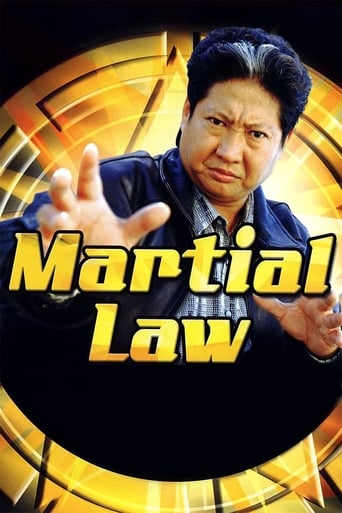
Who is Sammo Law?
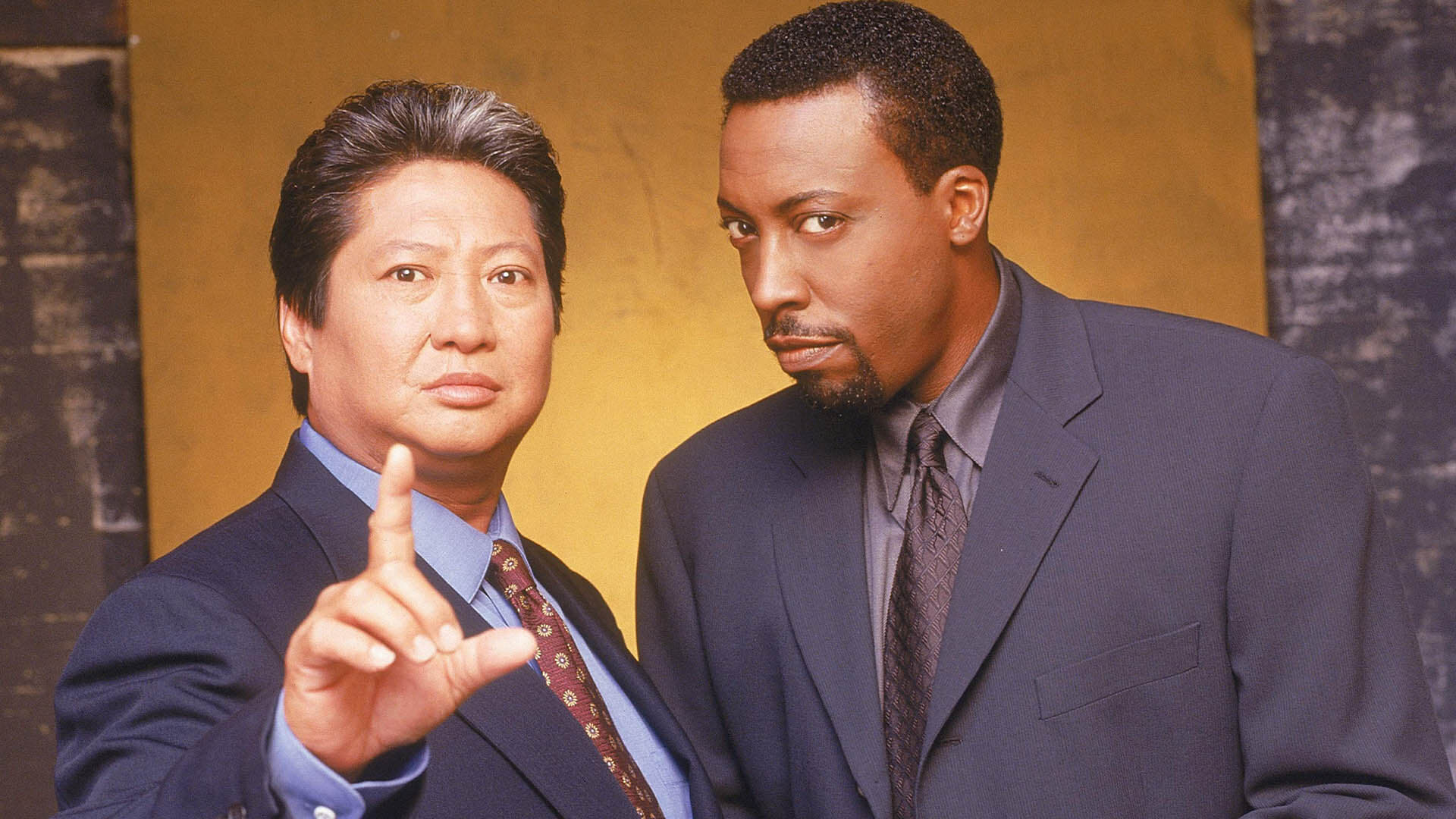
Sammo Law is a seasoned Chinese martial‑arts police officer who moves to Los Angeles to pursue a former adversary. He brings his disciplined approach to crime‑fighting and quickly joins the LAPD. His presence creates a unique blend of Eastern technique and Western policing.
What is Martial Law about?
The show follows Sammo Law’s adventures as he tackles crime in Los Angeles while integrating into the LAPD. It mixes action, martial arts, and humor, showcasing the challenges of cultural adaptation. Episodes often end with a case solved and a new lesson learned.
How many seasons and episodes does Martial Law have?
Martial Law ran for two seasons, totaling 44 episodes. Season one aired from 1998 to 1999, while season two aired from 1999 to 2000. Each episode is approximately 42–45 minutes long.
Why doesn’t Sammo Hung speak much on screen?
Sammo’s limited dialogue reflects his real‑life background, as Hung was not fluent in English at the time. The show uses action and body language to convey his thoughts, emphasizing the power of movement. This stylistic choice also adds to the comedic contrast.
Who are the main supporting characters?
Sammo works with undercover cop Grace “Pei‑Pei” Chen, detective Terrell Parker, and veteran Louis Malone. These characters provide diverse perspectives on policing. They form a dynamic team that balances humor with procedural work.
Is there a crossover with Walker, Texas Ranger?
Yes, a two‑part crossover episode sees Sammo Law team up with Cordell Walker to stop a hate‑mongering villain. The episode aired during the first season and is a fan‑favorite. It showcases the similarities between the two shows’ action styles.
Where can I watch Martial Law today?
The series is available on DVD through Visual Entertainment, and it can be streamed on certain platforms like Tubi and Amazon Prime Video. Availability may vary by region. Check local streaming services for current listings.
Does Martial Law contain graphic violence?
The show includes physical combat and some on‑screen blood, but it is not excessively graphic. Violence is portrayed in a stylized martial‑arts context rather than realistic gore. The intensity remains within the bounds of late‑90s TV standards.
Is Martial Law suitable for families?
While the series has action and mild violence, it largely stays within a PG‑13 tone. Humor and character dynamics make it approachable for older children. Parents should review episodes for language and brief action scenes.
What tone does the show have?
Martial Law blends action‑adventure with light‑hearted comedy. There is a brisk pace and frequent banter, but underlying themes of loyalty and mentorship add depth. The tone is generally upbeat with occasional darker moments.
Are there recurring villains?
The first season focuses on the pursuit of Lee Hei, a crime‑boss from Sammo’s homeland. Various other adversaries appear throughout the series, including local gang leaders and corrupt officials. Each episode features a new threat for Sammo and his team to tackle.
How is cultural clash portrayed?
Sammo’s traditional methods often clash with modern LAPD protocols, leading to humorous misunderstandings. The show uses these moments to highlight differences in policing philosophy. Over time, Sammo learns to adapt while preserving his values.
Why was Martial Law cancelled after two seasons?
The series was expensive to produce and faced creative disagreements. Sammo Hung also expressed dissatisfaction with the writing direction. As a result, CBS decided not to renew the show beyond season two.
Who directed Martial Law?
The show’s creator was Carlton Cuse, but specific episode directors varied. Notable directors include Stanley Tong, who brought martial‑arts expertise to the production. The overall style blends action choreography with comedic timing.
Does the series feature any real‑life martial arts moves?
Yes, Sammo Hung performs authentic martial‑arts techniques throughout the show. The choreography is influenced by his Hong Kong film background. Viewers can see classic moves like the “tiger” stance and quick kicks.
What themes are explored in Martial Law?
Themes of loyalty, mentorship, and cultural identity run throughout the series. The show also touches on justice and the balance between force and diplomacy. These themes are woven into each episode’s narrative.
Who wrote the episodes?
Episode writers included Carlton Cuse, Andre Morgan, and other writers hired by the production company. Storylines were developed to blend action with character development. Some writers came from the Hong Kong film industry.
Are there any notable guest stars?
Several guest appearances included well‑known actors like Tzi Ma and Arsenio Hall. The show also featured cameo roles from other TV personalities. Guest stars added variety to the series’ narrative.
How does the show handle language differences?
Sammo’s limited English leads to comedic misunderstandings. The show uses subtitles and occasional English phrases to bridge communication gaps. This dynamic often drives plot points and humor.
Is there a chance for a reboot?
No official reboot has been announced. However, Sammo Hung’s popularity and the show’s cult status keep fan discussions alive. A revival would require a new production team and a fresh vision.
What kind of action scenes can viewers expect?
The series offers fast‑paced, choreographed fight sequences that showcase Sammo’s martial‑arts skills. Action is interwoven with comedic timing, creating a dynamic viewing experience. The choreography emphasizes fluidity and precision.