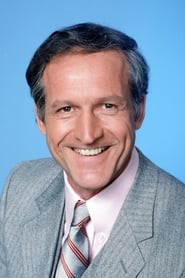
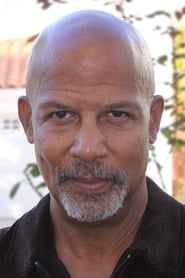
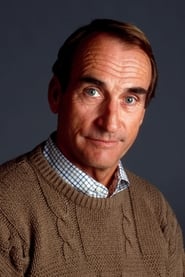
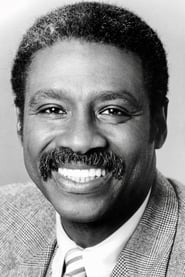
What were some of the recurring themes in Hill Street Blues?
Recurring themes in Hill Street Blues included the daily struggles of police officers, the complexities of crime and justice, and the personal lives of the characters. It also explored issues like corruption, racism, and the toll that police work takes on individuals. The show often showed the gray areas of morality and the difficult choices officers had to make.
What was the original name of Hill Street Blues?
The original name considered for the show was "Hill Street Station." The creators changed it to "Hill Street Blues" to reflect the grittier, more realistic portrayal of police work and the "blues" associated with law enforcement officers.
Are there any spin-offs of Hill Street Blues?
Yes, there was one spin-off of Hill Street Blues called "Saints & Sinners." It aired in 1984 and focused on the lives of the residents in the same neighborhood as the precinct. However, it was not as successful as the original show.
What were some notable guest stars on Hill Street Blues?
Hill Street Blues featured many notable guest stars who later became famous. These included actors like Denzel Washington, Mark Hamill, and Sarah Jessica Parker. Other guests included Whoopi Goldberg and Bruce Willis in early roles.
Who played Officer Lucy Bates?
Officer Lucy Bates was played by actress K Callan. She was a regular cast member for several seasons, portraying the character with a blend of toughness and compassion.
What is the legacy of Hill Street Blues?
Hill Street Blues is considered a landmark television drama that revolutionized police shows. It was praised for its realistic portrayal of police work, complex characters, and serialized storytelling. The show won many awards and influenced many subsequent dramas.
How many seasons of Hill Street Blues were there?
Hill Street Blues had a total of seven seasons. The show originally aired from 1981 to 1987, running for approximately six years with its final season concluding in 1987.
Who played Detective Stan Jablonski?
Detective Stan Jablonski was played by actor Joe Spano. He was a main character throughout the series, known for his dedicated but often weary portrayal of a detective.
Who created Hill Street Blues?
Hill Street Blues was created by Steven Bochco and Michael Kozoll. They developed the show to be a realistic look into the lives of police officers in an urban setting. Bochco was a prominent producer and writer in television.
What was the relationship between Renko and Hill?
The relationship between Officers Renko and Hill was a central dynamic on the show. They were partners, often facing dangerous situations together. Their friendship evolved, showing both camaraderie and conflict as they dealt with the stresses of police work and their personal lives.
Did Hill Street Blues win any awards?
Yes, Hill Street Blues won numerous awards during its run. It received a total of 26 Emmy Awards, including Outstanding Drama Series four times. It also won Golden Globe Awards and Peabody Awards, recognizing its impact on television.
What is the main precinct in Hill Street Blues?
The main precinct in Hill Street Blues is the fictional 14th Precinct of the Chicago Police Department. This precinct served as the setting for most of the show's action and character interactions.
When did Hill Street Blues first air?
Hill Street Blues first aired on January 22, 1981. The pilot episode introduced viewers to the gritty reality of police work in an urban setting.
What made the characters in Hill Street Blues so relatable?
The characters in Hill Street Blues were relatable because they were flawed and human. They dealt with personal problems, made mistakes, and experienced a range of emotions, just like real people. This made them feel authentic and allowed viewers to connect with their struggles.
Who played Officer Andy Renko?
Officer Andy Renko was played by actor Michael Conrad. Conrad won two Emmy Awards for his portrayal of the tough but fair sergeant.
What network aired Hill Street Blues?
Hill Street Blues aired on NBC. The network provided a platform for the groundbreaking drama from its premiere in 1981 until its conclusion in 1987.
Where is Hill Street Blues set?
Hill Street Blues is set in a fictional precinct of the Chicago Police Department. While the city is Chicago, the specific streets and locations are imagined for the series.
Who played Sergeant Mick Belker?
Sergeant Mick Belker was played by actor James B. Sikking. Belker was known for his distinctive approach to police work, often using unconventional methods.
Who played Detective J.D. LaRue?
Detective J.D. LaRue was played by actor Michael Warren. LaRue was often partnered with Detective Goldblume, and their interactions provided both dramatic and comedic moments.
What was the significance of the "Roll call" scene?
The "Roll call" scenes at the beginning of each episode were significant because they set the tone for the day's events. Captain Furillo would address the officers, assigning tasks and often delivering commentary on the precinct's challenges. These scenes quickly established the show's realistic and often chaotic atmosphere.
Who played Officer Yolanda Caldwell?
Officer Yolanda Caldwell was played by actress Edie McClurg. She was part of the ensemble cast, contributing to the precinct's dynamic.
Who played Captain Frank Furillo?
Captain Frank Furillo was played by actor Daniel J. Travanti. Travanti's portrayal of the precinct captain earned him critical acclaim and multiple Emmy nominations.
What was the inspiration for the characters in Hill Street Blues?
The characters in Hill Street Blues were inspired by real police officers and the challenges they faced. Creators Steven Bochco and Michael Kozoll aimed to create authentic characters with complex personal lives, reflecting the pressures and realities of police work in a major city.
Who played Officer Bobby Hill?
Officer Bobby Hill was played by actor Michael Conrad. He was a veteran officer known for his gruff exterior and his underlying sense of justice.
How did Hill Street Blues influence later police dramas?
Hill Street Blues influenced later police dramas by popularizing ensemble casts, complex character development, and serialized storytelling. It moved away from the simpler good-versus-evil narratives of earlier shows to explore moral ambiguity and the human side of law enforcement, setting a new standard for the genre.
How are the characters depicted in the final season?
In the last season, the characters are shown dealing with the same tough problems they always did. Some characters face personal struggles, while others work hard to solve crimes and help people. The show tries to show that being a police officer is a very difficult job.
What were some of the most memorable episodes?
Some memorable episodes include the pilot episode, which introduced the chaotic world of the precinct, and episodes that dealt with big cases or emotional moments for the characters. The show was known for its gritty stories and how it showed the daily lives of police officers.
What was the filming location for Hill Street Blues?
The show was mostly filmed in and around Los Angeles, California. Many of the scenes were shot on real streets and in actual police stations to make it feel more real.
Were there any real police officers consulted for the show?
Yes, real police officers often helped the show to make sure that the police work and the language used by the characters sounded authentic. This helped make the show feel very true to life.
What was the casting process like for Hill Street Blues?
The casting process was known for finding actors who could play complex characters. Many actors in the show were not well-known at first but became famous because of their roles. The creators looked for talent that could handle the show's serious and dramatic themes.
Where can I watch Hill Street Blues now?
Hill Street Blues is available on some streaming services and can often be purchased or rented online through digital stores. Sometimes it is also shown on TV.
How did the writers approach developing the storylines?
The writers created storylines that were often based on real police work and the challenges faced by officers. They focused on showing the human side of police officers, their personal lives, and the difficult decisions they had to make every day.
What was the critical reception of Hill Street Blues?
The show was very popular with critics and won many awards, including Emmy Awards. Critics praised its realistic portrayal of police life, its complex characters, and its innovative storytelling.
Is there any merchandise available for Hill Street Blues?
There might be some older merchandise like DVDs or books about the show available. Finding new merchandise can be difficult because the show is older.
What were the biggest challenges faced by the characters?
The characters faced many challenges, including dealing with dangerous criminals, solving difficult cases, and handling the stress and emotional toll of their jobs. They also had to deal with problems in their personal lives.
What is the meaning behind the show's title?
The title 'Hill Street Blues' refers to the police officers who work the streets, and 'blues' is a term often used to describe the melancholy or difficult feelings associated with their challenging work.
Did the show ever address real-world social issues?
Yes, the show often addressed real-world social issues like crime, poverty, racism, and the effects of drug use. It showed how these issues impacted the community and the police.
What kind of music was used in Hill Street Blues?
The show used a mix of music, including a memorable theme song and background music that helped create a tense and dramatic mood. The music often reflected the gritty and serious tone of the show.
What was the impact of Hill Street Blues on television history?
Hill Street Blues changed television by showing more realistic and complex characters and stories. It influenced many police dramas that came after it, showing that TV shows could be serious and thought-provoking.
Did the actors have any input on their characters' development?
Actors often worked closely with the writers to develop their characters. They brought their own ideas and experiences to the roles, helping to make the characters feel more real and layered.
What are some common criticisms of Hill Street Blues?
Some criticisms included that the show could be too dark or violent at times. Some viewers also found the fast-paced dialogue and complex plots hard to follow.
What is the significance of the show's ending?
The ending of the show focused on the ongoing struggles of the characters and the precinct. It aimed to show that life for police officers continues to be a cycle of challenges and that their work is never truly done.
What happened to the main characters at the end of the series?
At the end of the series, many of the main characters continued their work as police officers, facing new and old challenges. The show ended without tying up every single storyline neatly, reflecting the ongoing nature of police work.
What makes Hill Street Blues still relevant today?
The show is still relevant because it deals with timeless themes of justice, morality, and the human struggles of people in difficult jobs. Its realistic portrayal of police work and its complex characters still resonate with audiences.
Were there any behind-the-scenes anecdotes from the set?
There were many behind-the-scenes stories, often about the challenging filming conditions and the close relationships that formed between the cast and crew. The show was known for its fast shooting pace and its improvisational moments.
What was the budget for Hill Street Blues?
Information about the exact budget for Hill Street Blues is not widely available, but it was a major network television show that likely had a significant budget for its time to allow for complex productions and a large cast.
How did the show handle controversial topics?
The show handled controversial topics by presenting them in a realistic and often uncomfortable way. It showed the difficult ethical choices police officers had to make when dealing with sensitive issues.
Who composed the theme song for Hill Street Blues?
The famous theme song for Hill Street Blues was composed by Mike Post. He also composed theme songs for many other popular TV shows.
How did the show portray police work realistically?
The show portrayed police work realistically by showing the paperwork, the long hours, the difficult decisions, and the emotional toll on officers. It didn't shy away from the messy and often unglamorous aspects of being a police officer.