What is Spooks about?
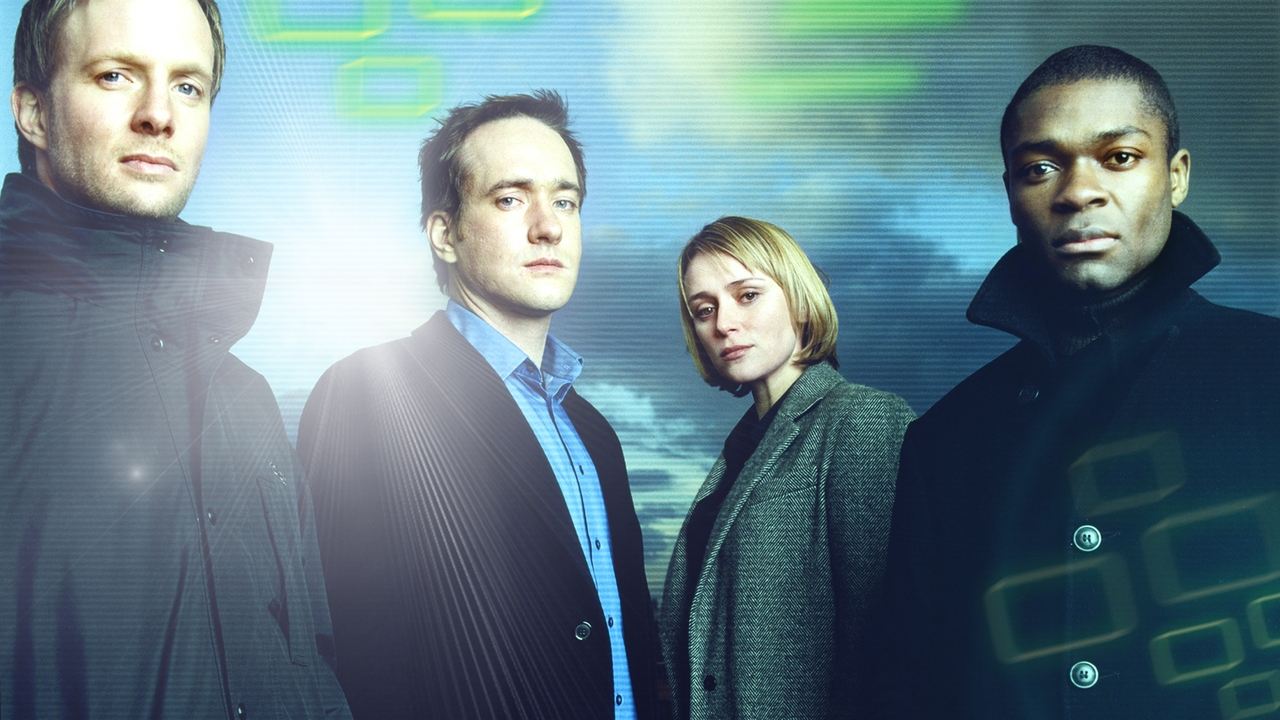
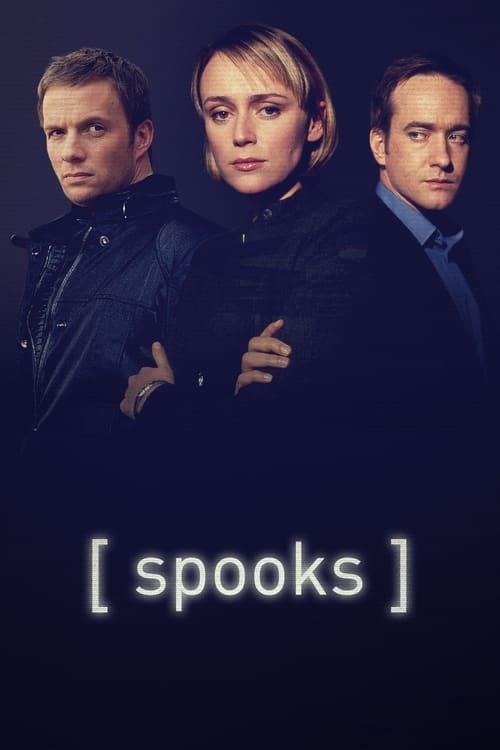
Spooks is a British spy drama that follows MI5 Section D agents as they investigate threats to national security, manage political intrigue, and navigate personal relationships within the organization.
Who is Harry Pearce?
Harry Pearce, played by Peter Firth, is the seasoned Head of Counter‑Terrorism for MI5, guiding the team through complex missions and strategic decisions.
What is The Grid?
The Grid is the secure, high‑tech command center inside Thames House where MI5 officers monitor and coordinate operations, often serving as the show’s visual and narrative hub.
Why is the show called Spooks?
‘Spooks’ is a British colloquial term for spies, used here as a nickname for MI5 agents, emphasizing the clandestine nature of their work.
How many seasons does Spooks have?
Spooks ran for ten seasons, totaling 86 episodes, from 2002 to 2011.
Is there a film or spin‑off?
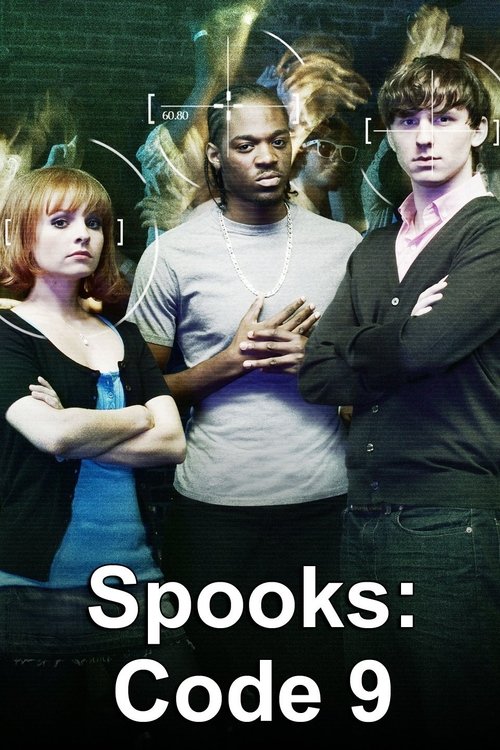
Yes, a feature film titled Spooks: The Greater Good was released in 2015, and a short spin‑off series called Spooks: Code 9 aired in 2008.
Where is the series set?
The series is set in London, primarily at Thames House, the real headquarters of MI5.
What languages are used?
The show is in English with occasional strong language, reflecting authentic dialogue among British intelligence officers.
Where can I watch Spooks?
Spooks is available on streaming services like BBC iPlayer, and is often sold on DVD or digital platforms such as iTunes and Amazon.
What is the tone of the show?
The tone is dark and suspenseful, blending high‑stakes action with psychological drama and investigative storytelling.
Does the series involve violence?
Yes, the series includes realistic portrayals of violence as part of counter‑terrorism operations, though it is handled with a focus on consequence rather than gratuitous gore.
Are there recurring villains?
The show features various antagonists, from terrorist cells to corrupt officials, with story arcs that evolve across seasons.
Do the characters grow over time?
Characters such as Ruth Evershed and Tom Quinn develop through personal and professional challenges, showing how duty and morality intersect.
What themes does Spooks explore?
Themes include national security, political responsibility, loyalty, trust, and the personal costs of secrecy and espionage.
Is there a final episode?
Yes, the series concludes with a final episode that wraps up major storylines while maintaining the series’ tense atmosphere.
Can I read more about the show?
Episode guides, cast biographies, and production details are available on official sites and fan wikis that provide deeper insights into each season.
What is the reception of Spooks?
Spooks received critical acclaim for its realistic portrayal of espionage, strong performances, and engaging storytelling, earning multiple awards and a loyal fan base.
Does the show feature real MI5 procedures?
While dramatized, many procedures depicted are based on real MI5 protocols, aiming for authenticity in counter‑terrorism operations.
Are the storylines connected across seasons?
Each episode generally stands alone, but many characters and plot threads carry over, creating a cohesive narrative over the ten seasons.
Is Spooks suitable for younger viewers?
Due to mature themes, intense action, and strong language, the series is intended for adult audiences and not recommended for children.
How does Spooks compare to other spy shows?
Spooks is similar to series like MI‑6 and Homeland in its focus on national security but distinguishes itself with a distinctly British perspective and character‑driven plots.
What is the significance of the episode freeze‑frame?
Each episode ends with a freeze‑frame and a signature sound effect, underscoring the high‑stakes tension and leaving viewers in suspense.
Why is the show known for its dialogue?
The series features fast, sharp dialogue that reflects the urgency of MI5 operations and deepens character interactions.
How does Spooks handle political intrigue?
Political plots are woven into missions, showing how government decisions impact covert operations and the agents' ethical dilemmas.
What is the impact of the show’s music?
The soundtrack, composed by Jennie Muskett and later Paul Leonard‑Morgan, enhances the tense atmosphere and supports the dramatic beats of each episode.