How many seasons does All Creatures Great & Small have?
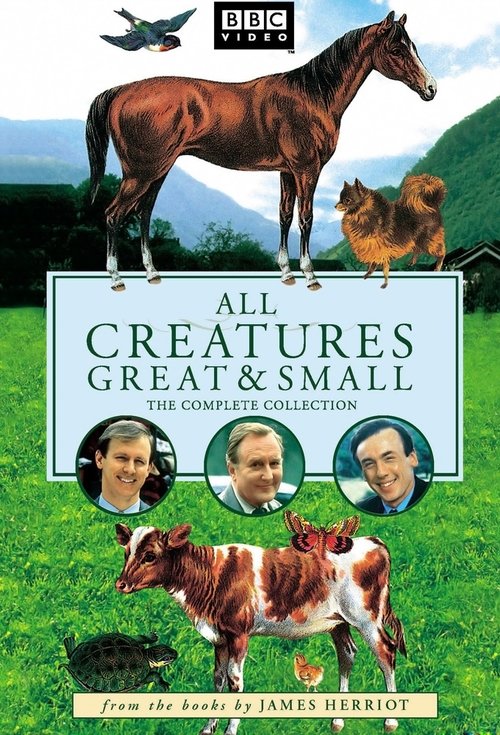
The original 1978 series ran for four seasons, comprising 32 episodes in total. Each season followed the evolving adventures of the veterinary team in Yorkshire. The concise format made it easy to follow over time.
How many episodes are there in total?
There are 32 episodes across the four seasons. Episodes are roughly 45 minutes long. The series provides a steady mix of animal stories and character moments.
When did the original series premiere and end?
It debuted in 1978 and concluded in 1982. The run captured a period of change in rural Britain. The series remained popular during its original broadcast.
Where was the series filmed?
Filming took place in and around the Yorkshire Dales, with additional studio work in Birmingham. The locations added authenticity to the countryside setting. Viewers see real farm landscapes and village streets.
Is the show based on books or original material?
The series is adapted from James Herriot’s autobiographical books. While it stays true to the spirit of the source, many episodes include original plot elements. The books provide the foundation for character and setting.
Who is the main character and what is his background?
Dr. James Herriot is a young, idealistic animal surgeon who has recently moved to the Yorkshire Dales. He brings modern veterinary practices to a rural setting. His enthusiasm drives many storylines.
Who are the other main cast members and their roles?
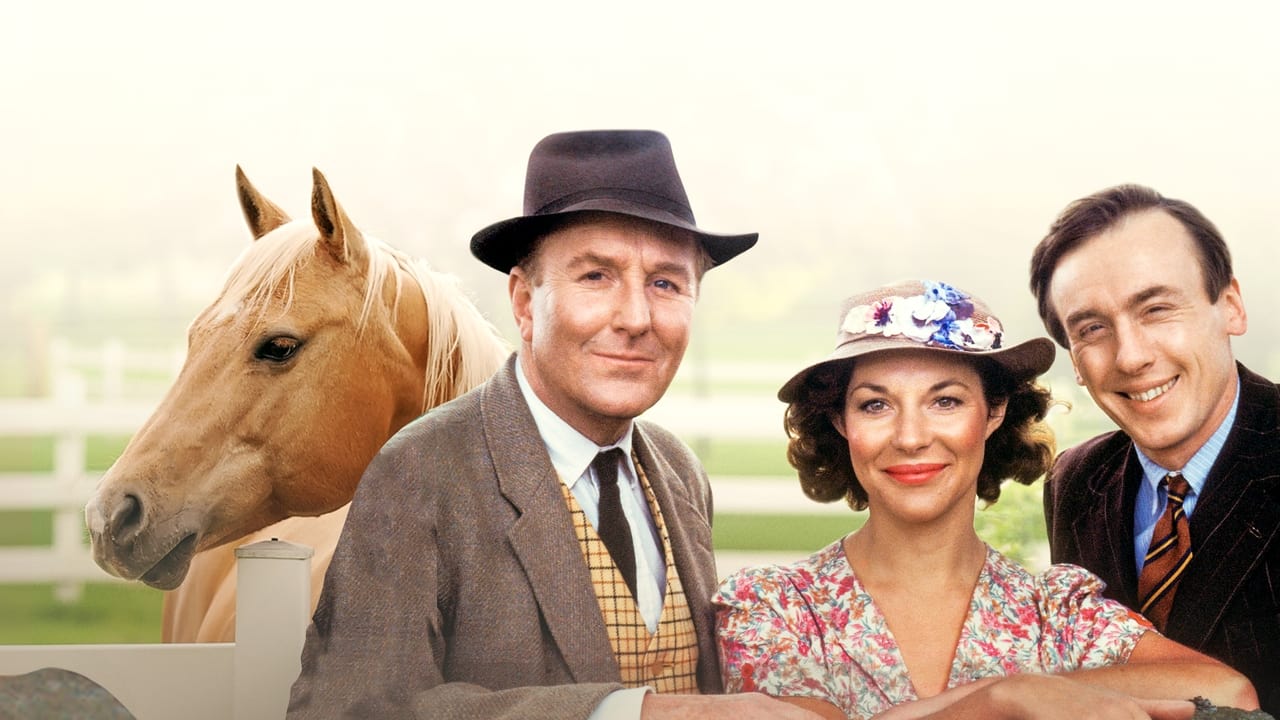
Siegfried, a seasoned vet, provides wisdom and humor. Tristan is a farm hand who becomes a key veterinary assistant. Mrs. Hall adds warmth and practical knowledge to the team. Their interactions form the core ensemble.
Are the characters based on real people?
Many characters are inspired by real veterinarians and locals that Herriot met. The show blends historical accuracy with fictionalized traits for drama. The personalities reflect the community of the time.
How accurate is the medical portrayal of veterinary work?
The production consulted real veterinarians to ensure realistic procedures. Some practices are simplified for TV, but core elements remain credible. Viewers gain insight into mid‑20th century animal care.
What time period does the series cover?
The show spans the late 1930s through the early 1950s. It portrays pre‑war, wartime, and post‑war rural life. The period influences the style, dialogue, and plot.
What is the tone of the show (comedy vs drama)?
It balances light‑hearted humor with heartfelt drama. The series is primarily family‑friendly but contains mature themes. The tone shifts subtly as characters mature.
How are the animal stories incorporated?
Each episode centers on a particular animal case, ranging from horses to poultry. These stories are woven into the broader narrative. The veterinary work often drives the episode’s arc.
Are there any notable recurring animal characters?
Buttercup the pig is a memorable animal that appears across episodes. Other farm animals also recur, adding continuity. Their presence provides comic relief and emotional moments.
Is the series suitable for children?
Yes, the show is family‑friendly with minimal strong language. It includes gentle humor and positive role models. Younger viewers can enjoy the animal stories.
Are there any language or content warnings?
The series uses mild language and occasional mild profanity. No graphic violence or sexual content appears. Viewers seeking a clean viewing experience will be comfortable.
What is the typical length of an episode?
Episodes run approximately 45 minutes each. The format allows for complete story resolution. There are no significant time‑cut scenes.
Where can I watch the series currently?
The series is available on streaming platforms such as Amazon Prime Video and DVD collections. Availability may vary by region. Check local streaming libraries for access.
Are there any special or behind‑the‑scenes episodes?
Occasionally, the series released behind‑the‑scenes features explaining veterinary techniques. Some episodes include a short documentary segment. Fans enjoy the educational elements.
How does the show differ from the later 2000s adaptation?
The 2002 remake updates the setting to the 1990s and introduces new characters. The original focuses on the 1930s‑1950s period. Differences include production design and narrative pacing.
Who composed the theme music?
Johnny Pearson composed the iconic theme “Piano Parchment.” The music underscores the pastoral tone. It became a recognizable part of the series.
Are there any awards or nominations?
The series received several nominations for its writing and production. It earned recognition for its authentic portrayal of rural life. Specific award titles vary by year.
How does the show portray rural Yorkshire life?
The series showcases village life, local traditions, and the tight‑knit community. It captures the landscape and social norms of the era. Authentic dialogue adds depth.
Are there any historical references (e.g., WWII)?
Subtle references to wartime rationing and social change appear in background details. These are woven into character backgrounds. They give context without dominating the plot.
Who directed most episodes?
Directors such as Peter Moffatt and Christopher Barry helmed many episodes. They contributed to the series’ consistent tone. Their work is noted for careful pacing.
What is the difference between the series and the books?
The books are autobiographical, while the TV show dramatizes events. Some characters and scenarios were altered for television storytelling. The core themes remain similar.