What are the soot sprites and what do they do?
Soot sprites are little balls of soot with eyes and limbs. They help carry coal and other heavy things in the boiler room.
What does Zeniba turn Boh into?
Zeniba turns Boh into a mouse.
What is the relationship between Yubaba and Zeniba?
Yubaba and Zeniba are twin sisters, but they are very different.
What is the name Yubaba gives to Chihiro?
Yubaba gives Chihiro the name Sen.
What is the significance of No-Face in the story?
No-Face represents loneliness and the corrupting influence of greed and materialism.
Why does No-Face become monstrous?
No-Face becomes monstrous because he tries to fill the emptiness inside him by offering gold and food to the bathhouse workers, who are greedy for it.
Who is No-Face and how does he change?
No-Face is a lonely spirit who wants a friend. He starts out quiet and shy but becomes a monster when he is tempted by the bathhouse workers' greed. He later calms down and becomes friends with Zeniba.
Who is Lin and how does she help Chihiro?
Lin is a worker at the bathhouse who becomes a friend and mentor to Chihiro. She helps Chihiro navigate the spirit world and find her way.
What is the main story of Spirited Away?
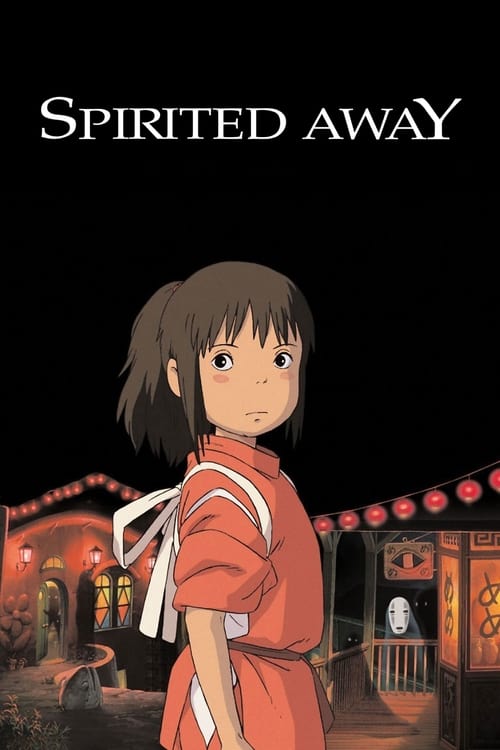
A young girl named Chihiro gets lost in a world of spirits and must work in a bathhouse to save her parents and find her way back home.
How do Chihiro's parents get turned into pigs?
Chihiro's parents are turned into pigs because they eat food that is meant for the spirits, which is forbidden.
What can No-Face create out of thin air?
No-Face can create gold and food out of thin air.
What is the spirit world Chihiro enters like?
The spirit world is a magical place filled with gods, spirits, and strange creatures. It has a grand bathhouse where spirits come to relax.
How are Yubaba and Zeniba different?
Yubaba is greedy and mean, while Zeniba is kind and gentle. Yubaba is a powerful witch who runs a bathhouse, and Zeniba is her twin sister who lives a simpler life.
Who is Zeniba and why is she important?
Zeniba is Yubaba's twin sister. She is a kind witch who helps Chihiro and shows her a different way of life.
Who visits the bathhouse and why?
Spirits and gods visit the bathhouse to cleanse themselves and relax. It is a place for them to unwind after a long journey or hard work.
Who is Yubaba and what is her personality?
Yubaba is a powerful witch who runs the bathhouse. She is greedy, stern, and controlling, but she also has a soft spot for her baby, Boh.
What happens to Chihiro's parents at the end of the movie?
At the end of the movie, Chihiro's parents are freed from their pig forms and return to the human world with her.
Who is Haku and what is his role in the story?
Haku is a mysterious boy who helps Chihiro. He is a river spirit cursed by Yubaba and plays a key role in helping Chihiro remember her name and save her parents.
What does Yubaba do to control her workers?
Yubaba controls her workers by taking their names. This makes them forget who they are and become loyal to her.
Why does Chihiro have to get a job in the spirit world?
Chihiro has to get a job in the spirit world to survive and to find a way to break the spell that turned her parents into pigs.
What does Chihiro do to clean the Stink Spirit?
Chihiro cleans the Stink Spirit by pulling out a lot of human garbage that was stuck inside him. It turns out he was a polluted river spirit.
What is Kamaji the boiler man like?
Kamaji is an old, multi-armed boiler man who works in the bathhouse. He is initially gruff but becomes helpful to Chihiro.
How many arms does Kamaji have?
Kamaji has six arms.
What is the purpose of the bathhouse in the spirit world?
The bathhouse is a place where spirits come to wash away their sins and troubles, and to relax and be pampered.
What does Haku's dragon form look like?
Haku's dragon form is a long, serpentine dragon with a white body and green accents.
How does Chihiro change from the beginning to the end?
Chihiro starts as a scared and whiny girl but becomes brave and responsible by the end of the movie.
What was the Stink Spirit before it was polluted?
The Stink Spirit was actually a very important river spirit before it became covered in trash.
What does Haku mean when he says he and Chihiro will meet again?
Haku means they will remember each other and possibly meet again in the human world or spirit world.
Did Chihiro and Haku ever meet again after the movie?
The movie doesn't show if they meet again, but Haku's words suggest they will remember each other.
What does the train to Swamp Bottom represent?
The train journey often symbolizes a transition or a passage, perhaps into a new understanding or state of being.
What does Chihiro's journey symbolize?
Chihiro's journey symbolizes her growth from a child into a young adult, learning to face her fears and become independent.
What inspired the creation of the bathhouse?
The bathhouse was inspired by traditional Japanese inns and the idea of a place for spirits to relax and be cleansed.
What was the original title for Spirited Away?
The original title for Spirited Away was 'Sen to Chihiro no Kamikakushi', which translates to 'Sen and Chihiro's Spiriting Away'.
What are the environmental themes in Spirited Away?
The movie shows environmental themes through the polluted river spirit and the importance of nature.
What is the meaning of spirits having unique names?
In the spirit world, names hold power, and losing your name means losing your identity and freedom.
What is Haku's real name?
Haku's real name is Nigihayami Kohakunushi, which means 'river spirit of the amber (or precious) road'.
What does Haku reveal about his past?
Haku reveals he was once a river spirit whose river was filled in for apartments, and he forgot his name.
Why can't Haku return home?
Haku can't return home because his river was paved over, and he has forgotten his true name and identity.
What does No-Face represent?
No-Face represents loneliness and the corrupting influence of greed and a desire for attention in a consumerist society.
Who is on the train with Chihiro?
Chihiro is on the train with No-Face and two frog attendants.
What is the significance of the train journey?
The train journey is a contemplative part of Chihiro's adventure, allowing her to reflect and move towards resolution.
What does Miyazaki want to say about consumerism?
Miyazaki uses themes like greed and excessive desire, shown through characters like No-Face, to comment on the negative effects of consumerism.
Why is losing one's name significant in the spirit world?
Losing one's name in the spirit world means losing your identity and being controlled by others, like Chihiro and Haku.
What does the hair tie Chihiro has at the end symbolize?
The hair tie is a gift from the spirit world, possibly symbolizing her connection to it and the memories she made.
What is the meaning of the rock in front of the tunnel?
The rock signifies a boundary between the human world and the spirit world, a point of no return for those who enter.
What does Chihiro remember about Haku?
Chihiro remembers Haku as a boy who helped her when she fell into a river and saved her life.
What does Chihiro's final test from Yubaba involve?
Chihiro's final test is to identify her parents among a group of pigs, which she correctly determines they are not.
How does Chihiro know her parents are not among the pigs?
Chihiro knows her parents are not among the pigs because she has learned to trust her own judgment and intuition.
What is the message about greed in the film?
The film shows that greed leads to unhappiness and loss, as seen when characters transform into pigs or become overwhelmed.
How long was Chihiro in the spirit world?
The exact duration is unclear, but it is implied to be a few days or weeks, as time passes differently in the spirit world.
Why do Chihiro's parents eat the food?
Chihiro's parents eat the food because they are greedy. They don't ask who the food is for, and they eat a lot of it. This causes them to turn into pigs.
What is the meaning of the 'Ushi Oni' spirits?
The Ushi Oni are a type of yokai, or spirit, from Japanese folklore. They are often depicted as having the head of an ox and the body of a spider. In Spirited Away, they are shown as workers in the bathhouse.
What is the significance of Chihiro's parents turning into pigs?
Chihiro's parents turning into pigs shows how greed can lead to bad things. They ate too much food that wasn't theirs, and their transformation is a punishment for their actions.
Who directed Spirited Away?
Spirited Away was directed by Hayao Miyazaki.
What does the 'Ootori-Sama' represent?
Ootori-Sama are bath spirits that look like ducks or geese. They represent guests who come to the bathhouse to be cleaned.
What is the meaning of the 'Seki jin' rock?
The Seki jin are a type of spirit that can look like a stone or a badger. They are sometimes seen helping the bathhouse workers.
What does the bathhouse symbolize?
The bathhouse symbolizes a place where spirits come to relax and be cleaned. It also represents a bridge between the human world and the spirit world.
What does Zeniba represent?
Zeniba is Yubaba's twin sister. She represents kindness and the importance of hard work and simple living.
What does No-Face represent?
No-Face represents loneliness and the desire for connection. He changes based on who he is with, showing how people can be influenced by others.
What is the connection between the bathhouse and Studio Ghibli?
The bathhouse is the main setting for the film Spirited Away, which was produced by Studio Ghibli. Studio Ghibli is known for its animated films, and the bathhouse is a memorable location from one of their most famous works.
How does Chihiro's job at the bathhouse help her grow?
Working at the bathhouse teaches Chihiro to be brave, responsible, and to care for others. She learns to overcome her fears and discovers her inner strength.
What is the significance of the river in the story?
The river is important because Haku, a main character, is a river spirit. It represents cleansing and forgotten memories.
What is the meaning behind the various spirits Chihiro encounters?
The spirits represent different aspects of nature and Japanese folklore. They show the importance of respecting the environment and the old traditions.
How did the animation style of Spirited Away differ from other films?
Spirited Away featured a rich, hand-drawn animation style with detailed backgrounds and expressive character designs, which was characteristic of Studio Ghibli's distinctive approach to filmmaking.
What does the phrase 'Kamikakushi' mean?
Kamikakushi means 'hidden by the gods' or 'spirited away.' It refers to children who mysteriously disappear, often thought to have been taken to the spirit world.
What is the meaning behind the 'Dragon Ball'-esque move by Yubaba?
Yubaba's move where she shrinks the baby Boh is not directly from Dragon Ball. It's a fantastical ability that shows her power and control within the bathhouse.
Was Spirited Away made with a script?
Yes, Spirited Away was developed with a script, though Hayao Miyazaki often allowed for creative changes and improvisations during the animation process.
What does Yubaba represent in the film?
Yubaba represents greed, power, and the loss of identity in the modern world. She controls the bathhouse and takes people's names to control them.
What awards did Spirited Away win?
Spirited Away won the Academy Award for Best Animated Feature and the Golden Bear at the Berlin International Film Festival.
What is the meaning of the 'stink spirit' scene?
The 'stink spirit' scene shows Chihiro bravely cleaning a polluted river spirit. It highlights the theme of environmental pollution and the importance of purification.
What does Haku represent?
Haku represents nature, memory, and freedom. He is a river spirit who has lost his name and home, and Chihiro helps him remember who he is.
How does the film connect to Japanese folklore?
The film is filled with elements from Japanese folklore, including yokai (spirits), kami (gods), and traditional beliefs about nature and the spirit world.
What is the role of the animal spirits in the bathhouse?
The animal spirits, like the radish spirit and the frog workers, represent the diverse inhabitants of the spirit world and the various tasks needed to run the bathhouse.
What is the role of food in the story?
Food plays a significant role, often symbolizing temptation, greed, and later, healing and connection. Chihiro's parents' transformation and Haku's healing are tied to food.
What other films did the director make?
Hayao Miyazaki also directed My Neighbor Totoro, Kiki's Delivery Service, Princess Mononoke, Howl's Moving Castle, and The Wind Rises, among others.
What is the difference between the initial design of Yubaba and Zeniba?
In the original concept drawings for Spirited Away, there were plans for Zeniba to have control over Yubaba, but this idea was dropped to keep the movie from being too long. Visually, Zeniba has four warts on her chest, while Yubaba only has one.
What is the significance of the hair clip Chihiro keeps?
The hair clip Chihiro keeps is a gift from Zeniba and is believed to have protective qualities. It glows at a crucial moment, preventing Chihiro from looking back as she leaves the spirit world, signifying that her experiences there were real.
What does the name 'Kaonashi' mean?
Kaonashi is the Japanese name for No-Face. It translates to "faceless" or "nameless."
How is No-Face a symbol of desire?
No-Face mirrors Chihiro's own feelings of loneliness and her need for connection. His desire for acceptance leads him to mimic those around him and to consume them, reflecting how unchecked desire can lead to a monstrous transformation.
What is the meaning of the brothel theme mentioned by Miyazaki?
Miyazaki referred to Yubaba and Zeniba as symbols of modern working people. The bathhouse itself can be seen as a representation of modern society, where everything has a price and profit is often prioritized.