How many seasons and episodes does the series have?
Batman: The Animated Series ran for three seasons, totaling 65 episodes. The first season comprised 65 episodes, while the remaining two seasons added 3 episodes each. This format gave the show a concise but rich run.
When did the show first air and when did it end?
The series premiered on September 19, 1992, and concluded on November 30, 1995. It aired on Fox Kids before moving to Cartoon Network for reruns.
How long is each episode?
Each episode runs approximately 22 minutes. The length allows for concise storytelling while covering both action and character moments within a standard half‑hour slot.
Who created the series?
The series was created by Bruce Timm and Paul Dini. Their collaboration brought a blend of comic fidelity and mature storytelling to the animated medium.
Who voiced Bruce Wayne/Batman?
Kevin Conroy provided the iconic voice for Bruce Wayne and Batman. His portrayal became a benchmark for the character across media.
Who are the main villains featured?
The show showcases a roster of classic villains, including the Joker, Two‑Face, Bane, Poison Ivy, and Catwoman. Each brings a unique menace that challenges Batman’s resolve.
Is the series part of the DC Animated Universe?
Yes, Batman: The Animated Series is a foundational part of the DC Animated Universe (DCAU). It connects to later shows like Justice League and The New Batman Adventures.
When was Robin introduced and who voices him?
Robin debuted in the second season, voiced by Adam West in the early episodes and later by Christopher Sabat. He provides a youthful perspective and a partnership with Batman.
Is there a direct‑to‑video movie or special related to the series?
The series spawned the direct‑to‑video film Mask Of The Phantasm (1993), which explores the origins of the character Harley Quinn and ties into the show’s narrative.
What is the recommended watch order?
Watch the episodes in their original broadcast order for the intended narrative flow. After completing the series, viewers can enjoy the spin‑off film and subsequent DC Animated Universe titles.
How does the series differ from the comic books?
While retaining core characters, the series adapts storylines for television, adding original arcs and deepening psychological themes. The pacing and tone are tailored to a weekly format.
Is the show suitable for children?
The series contains mature themes, violence, and occasional dark humor. Parents should consider the content before allowing younger viewers, though it remains widely viewed by family audiences.
Does the series contain mature themes or violence?
Yes, the show features crime‑scene investigations, graphic fight sequences, and explorations of moral ambiguity. Violence is stylized but can be intense for some viewers.
What are some of the most critically acclaimed episodes?
Episodes like "Mad Love", "The Joker's Favor", and "A Knight of Shadows" are frequently cited for their storytelling and character depth. These episodes highlight the series’ strengths.
How did the animation style influence future Batman media?
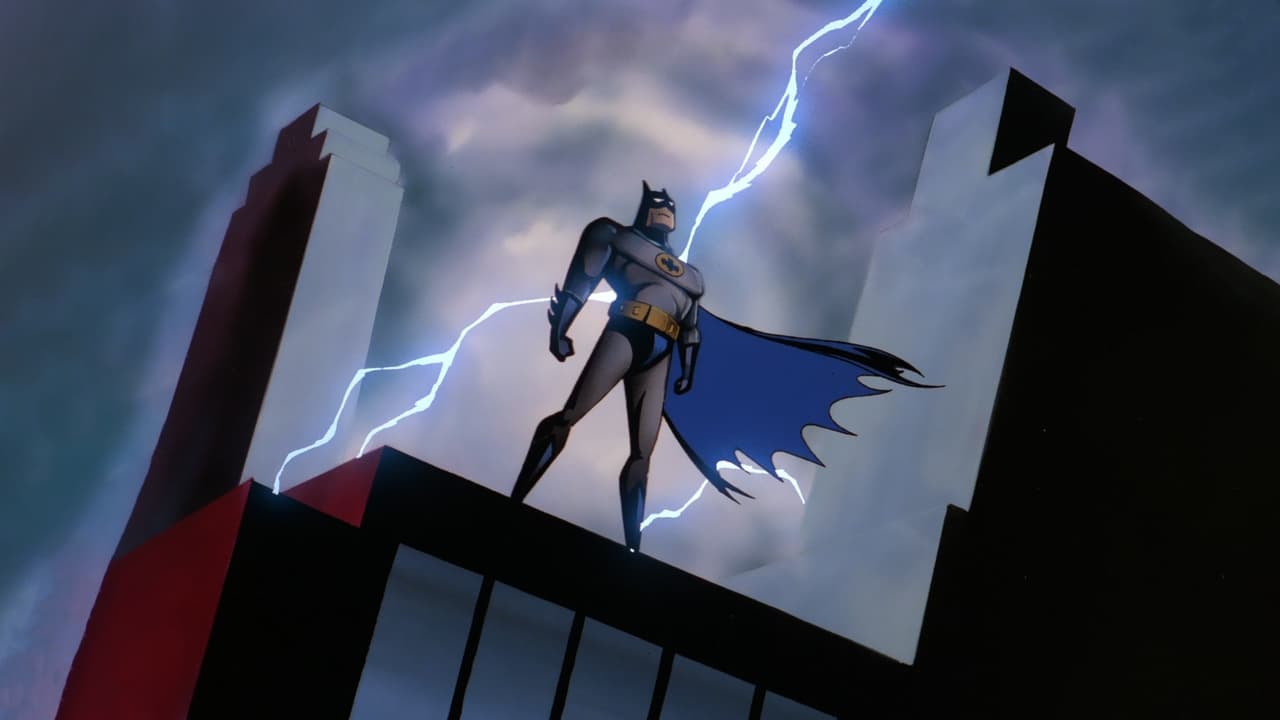
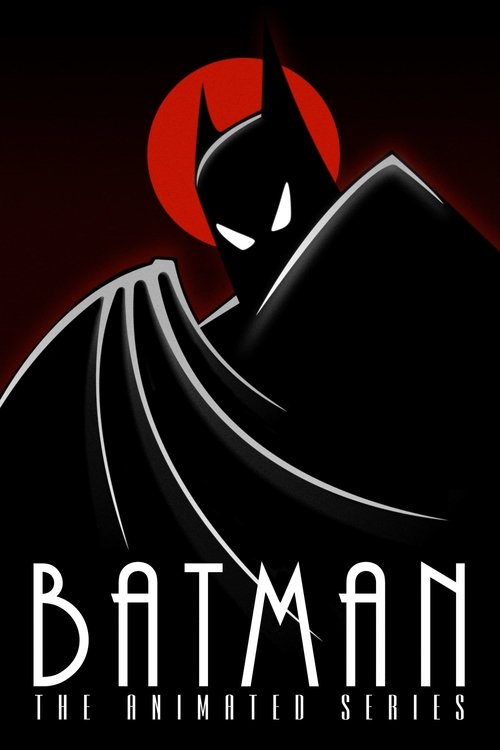
The stylized line work and muted palette set a visual template for later animated titles, including The New Batman Adventures and Batman Beyond. It also influenced live‑action portrayals.
Are there crossovers with other DC shows?
Yes, the series includes crossover episodes with Superman: The Animated Series and Justice League, integrating the broader DC Animated Universe.
How did the series handle character development over time?
Character arcs evolve through recurring villains and personal challenges. The narrative explores Batman’s internal struggles, relationships, and the growth of side‑kicks.
Was the music composed specifically for the show?
The score, primarily composed by Shirley Walker, was created to enhance the show’s noir atmosphere and dramatic moments. Her compositions remain iconic.
What kind of themes does the series explore (justice, morality)?
The show examines justice versus vengeance, the cost of secrecy, the duality of heroism, and the psychological toll of crime‑fighting, all within a detective framework.
How does the series end or what happens after the final episode?
The series concludes with a resolution of Batman’s ongoing struggle, but it opens the door to future projects like The New Batman Adventures and the DC Animated Universe. The legacy continues through later animated titles.