Happily Ever After: Fairy Tales for Every Child
Musim
Episode
Server pemutar
Happily Ever After: Fairy Tales for Every Child

Happily Ever After: Fairy Tales for Every Child

19956
Animasi
Rilis
12 Mar 1995
Negara
Amerika Serikat
Produksi
Two Oceans Entertainment GroupConfetti Entertainment CompanyHyperion Pictures
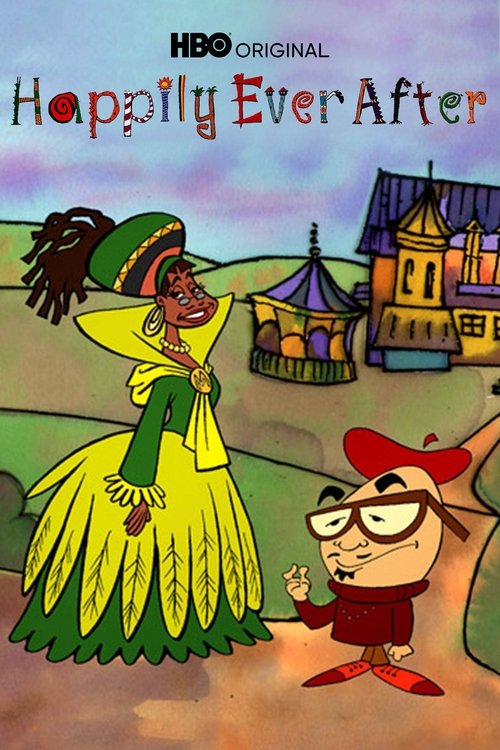
Happily Ever After: Fairy Tales for Every Child adalah serial televisi animasi antologi Amerika.

About

Animated anthology that reimagines classic fairy tales with diverse casts.

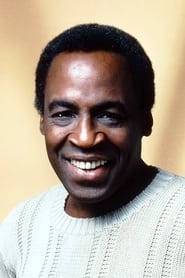
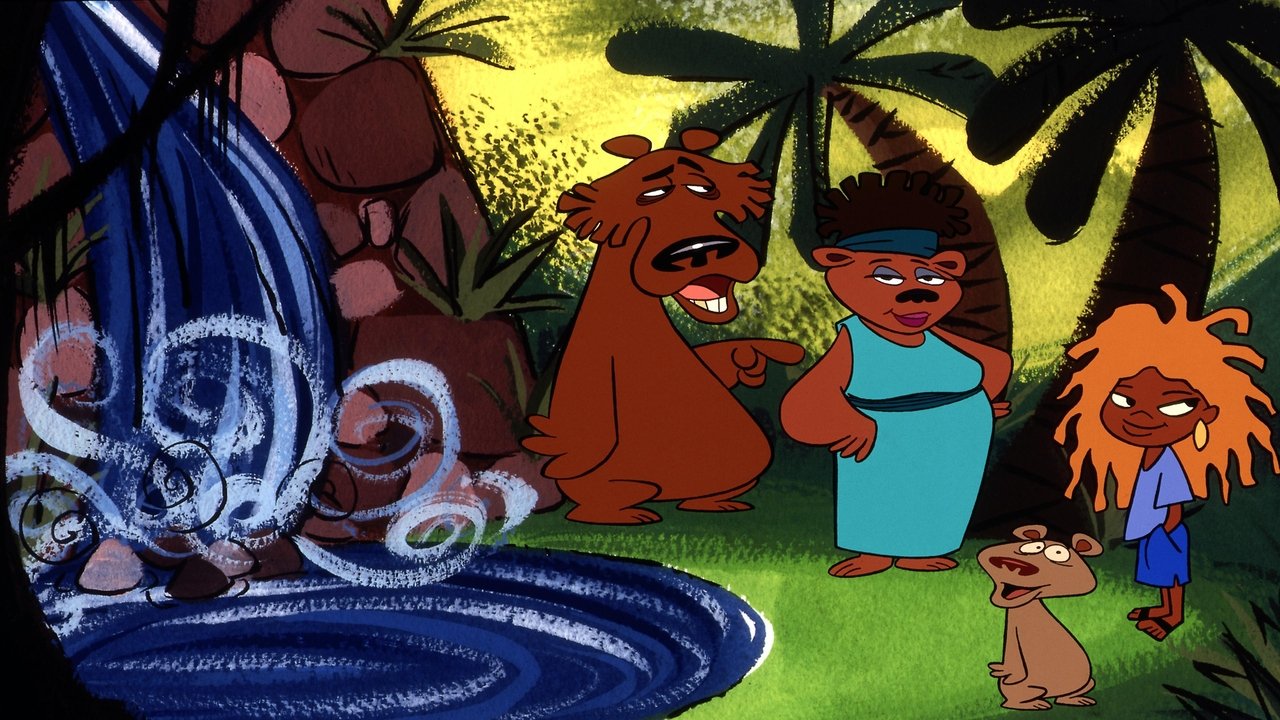
Happily Ever After: Fairy Tales for Every Child is an American animated anthology that aired on HBO and later HBO Family between 1995 and 2000. The series presents 39 short episodes, each retelling a familiar fairy tale from a different cultural perspective. Narrated by Robert Guillaume, the show blends traditional storytelling with modern musical numbers and a varied voice cast that includes Will Smith, Sinbad, and Rosie Perez. Episodes are self‑contained, lasting roughly 20 minutes, and avoid complex plots or graphic content. The series offers a light‑hearted, family‑friendly take on timeless tales, emphasizing moral lessons and cultural diversity.

What to know

  • Narrated by Robert Guillaume, former Lion King voice.
  • Features 39 short episodes across 3 seasons (1995–2000).
  • Each story is retold with a different cultural background and cast.
  • Voice talent includes Will Smith, Sinbad, Rosie Perez, BD Wong, and many others.
  • Episodes run about 20 minutes and include original songs.
  • The series blends traditional animation with later digital techniques.
  • It aired on HBO, HBO Family, and later on HBO Kids.
  • Focuses on family‑friendly, light‑hearted storytelling.

Watch if

If you enjoy colorful, family‑friendly storytelling that highlights diverse cultures, this animated anthology offers playful retellings of beloved fairy tales with catchy songs and a gentle tone, making it a pleasant watch for kids and parents alike.

Skip if

Skip if you prefer modern, high‑definition animation or expect complex, serialized plots. The series focuses on simple, self‑contained episodes, minimal action, and a light, nostalgic tone that may feel dated to some viewers.

family friendlylight toneuplifting tonefantasy violencelanguage somedialogue heavy
Series Overview
Happily Ever After: Fairy Tales for Every Child is a 1995 HBO animated anthology that brings together 39 short stories. Each episode reinterprets a classic fairy tale with a unique cultural lens, voiced by a celebrated cast and narrated by Robert Guillaume. The series blends humor, music, and gentle animation to offer a family-friendly viewing experience.
Voice Cast Highlights
The series boasts a rotating ensemble of celebrity voices, including Will Smith, Sinbad, Rosie Perez, BD Wong, Tone Loc, and many others. Each episode features a distinct voice team that reflects the story’s cultural setting, adding authenticity and humor while keeping the narration steady through Robert Guillaume’s iconic African‑American portrayal.
Episode Structure
Episodes are self‑contained, running about 20 minutes each. They start with a brief introduction by Guillaume, followed by the tale’s retelling, musical interludes, and a concluding moral note. The format keeps storytelling tight and accessible for younger viewers while delivering a clear lesson.
Animation & Music
The first two seasons use traditional hand‑drawn cel animation, while the final season transitions to digital ink and paint. Each episode incorporates original songs in various styles—hip‑hop, jazz, folk—enhancing the storytelling. The musical numbers are designed to match the episode’s cultural setting, providing a lively and memorable soundtrack.
Where to Watch
The series is available on the HBO Max streaming platform, where all three seasons can be streamed on-demand. Earlier VHS and DVD releases exist, but most viewers will find the digital option the most convenient. HBO Max also offers subtitles and multiple audio tracks for accessibility.
Audience & Age Suitability
Rated TV‑G, the series is suitable for children 5 and older. It contains mild cartoon violence and occasional mild language, but remains family‑friendly. The stories emphasize kindness, honesty, and perseverance, making them a positive choice for family viewing and discussions about values.
Production History
Produced by HBO’s Kids department, the series first aired in 1995 and ran for three seasons until 2000. The show was praised for its diverse casting and musical creativity. After a brief hiatus, it returned on HBO Family in its final season, and later found a home on HBO Kids before its 2024 block closure.

FAQ

What is 'Happily Ever After: Fairy Tales for Every Child'?
It's a 1995 animated anthology from HBO that retells classic fairy tales with diverse cultural casts and musical numbers, narrated by Robert Guillaume. Each episode is self‑contained and lasts around 20 minutes, offering a lighthearted take on familiar stories.
How many seasons and episodes are in the series?
The show ran for three seasons, totaling 39 episodes. It first aired in 1995 and concluded in 2000.
Who narrated the series?
Robert Guillaume served as the narrator throughout the series, bringing a warm, engaging voice to each episode. His distinctive delivery anchors the diverse retellings.
Why are the characters from different cultures?
HBO aimed to showcase cultural diversity and broaden representation. Each story is set in a new cultural context, featuring actors and settings that reflect that background.
Where can I watch the series?
The series is available on HBO Max, where all three seasons can be streamed on-demand. Earlier home releases on VHS and DVD are also available for collectors.
Is the series suitable for young children?
Yes, it is rated TV‑G and is designed for viewers aged five and older. It contains mild cartoon violence and occasional mild language but remains family‑friendly.
Who were some of the voice actors?
Notable voices include Will Smith, Sinbad, Rosie Perez, BD Wong, and Tone Loc, among others. Each episode features a rotating cast that matches its cultural setting.
Are the stories original or adaptations?
The series adapts classic fairy tales such as Cinderella, Sleeping Beauty, and The Little Mermaid. The scripts are rewritten with cultural twists and modern musical numbers.
What is the runtime per episode?
Each episode runs approximately 20 minutes, including narration, storytelling, and musical segments. The format keeps it concise for younger audiences.
Did the show have a musical element?
Yes, every episode incorporates original songs that reflect the episode’s cultural style. The music enhances the storytelling and keeps it engaging.
Was the animation style consistent across seasons?
The first two seasons used traditional hand‑drawn cel animation, while the final season switched to digital ink and paint. Both styles maintain a whimsical aesthetic.
When did the series first air?
The premiere episode aired on March 12, 1995, on HBO. It quickly became part of HBO Kids programming.
When did it end?
The final episode aired on July 18, 2000, concluding the three‑season run.
Did HBO create any spin‑offs?
No spin‑offs were produced, but the series has been referenced in other HBO Kids programming. It remains a distinct anthology.
Is there a home video release?
The series was released on VHS in the late 1990s, and select episodes were later issued on DVD. These releases are now out of print.
How many episodes are available on streaming services?
All 39 episodes are available on HBO Max, allowing viewers to stream any episode at any time. The platform also offers subtitles.
Are there any recurring characters?
While each episode features unique characters, the narrator Robert Guillaume appears in every episode. The series focuses on self‑contained stories rather than recurring protagonists.
Are the stories told in a modern language?
The scripts update the classic language while keeping the core plot intact. Dialogue includes contemporary references but stays accessible for children.
Why was the series created?
HBO wanted to combine classic storytelling with diverse representation and musical creativity. It aimed to educate while entertaining families.
Does it contain any violence?
The series includes mild cartoon violence, such as characters bumping into each other or being chased. There is no graphic or realistic violence.
Are there any educational themes?
Yes, the stories emphasize lessons about honesty, kindness, and perseverance. The cultural settings also introduce viewers to different traditions.
How does the series differ from other fairy tale adaptations?
Unlike many adaptations, each episode reimagines a tale in a new cultural context and features a new voice cast. The inclusion of original music sets it apart.
Pemeran