
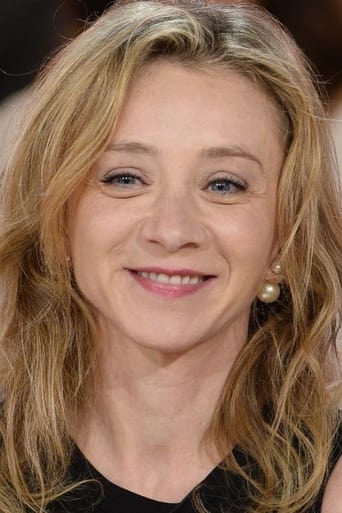
Sylvie Testud was born on January 17, 1971 in Lyon. Her parents separated when she was two years old. She spent her youth in the Lyon district of Croix-Rousse, raised by her mother, an accountant. In high school, she learned Chinese. Very early fascinated by the cinema, the young girl identifies in particular with the complexed teenager character embodied by Charlotte Gainsbourg in L'Effrontée. Having moved to Paris to study history, she soon embarked on acting by joining the free class at Cours Florent and then the Conservatory, where her teachers were Jacques Lassalle and Catherine Hiegel. She made her first screen appearance in 1994 in Couples et amants.
She decided to become an actress during her youth, after having admired actresses in films. She then took acting lessons in Lyon with the actor and director Christian Taponard. In 1989, she moved to Paris to study history, as well as drama lessons in free classes at Cours Florent, then at the National Conservatory of Dramatic Art for three years, with Jacques Lassalle and Catherine Hiegel for teachers.
In the early 1990s, she obtained her first small roles in the cinema, then in feature films such as The Story of the Boy Who Wanted to Be Kissed by Philippe Harel (1994), Le Plus Bel Age..., by Didier Haudepin (1995) or even Love, etc. by Marion Vernoux (1996).
In 1997, Sylvie Testud experienced her first great success at the cinema in Germany with the film Beyond Silence by Caroline Link, for which she learned German, the clarinet and sign language. She is rewarded as best actress by the German Film Prize (the equivalent of the César for best actress). In 1998, she played her first major role in French cinema and enjoyed great success in France with the role of Béa in Karnaval, the first feature film by Thomas Vincent, for which she was nominated for the César for best female hope and received the Michael Simon Prize. She then began an important acting career with a preference for auteur cinema.
In 2000, her performance in La Captive by Chantal Akerman (adaptation of the novel La Prisonnière by Marcel Proust) earned her a nomination as best actress at the European Film Prize. In 2001, she obtained, for her second nomination, the César for best female hope for the remarkable interpretation of Christine Papin, one of the Papin sisters, in Les Blessures assassines by Jean-Pierre Denis, based on a news item from 1933.
Frequent co-stars
18
Titles
20

Matrimonio con sorpresa
Nicole Martin • 2024
Film
★6/10

Marinette
Régine Pierre, Saint-Memmie coach • 2023
Film
★6/10
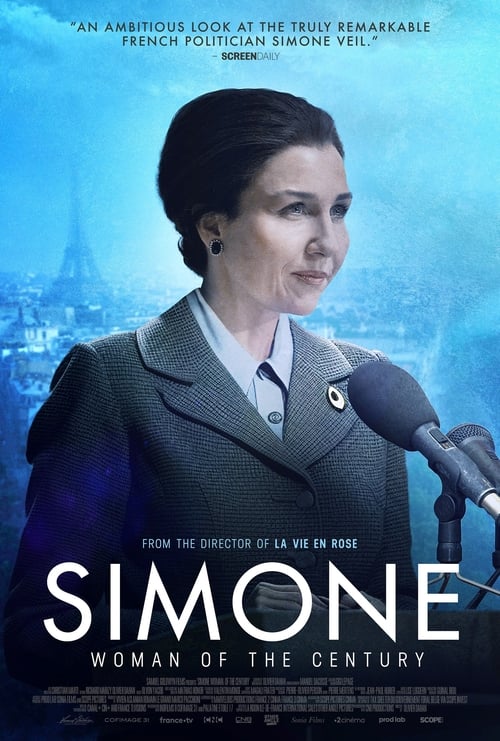
Simone Veil - La donna del secolo
Marceline Rozenberg (1968 - 1979) • 2022
Film
★8/10
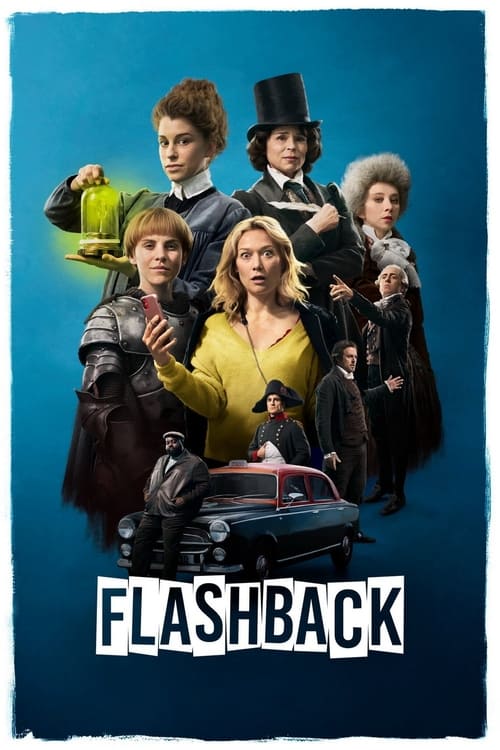
Flashback - In taxi nel passato
Olympe de Gouges • 2021
Film
★6/10

Meet the Malawas
Nathalie Dulac • 2019
Film
★4/10

Wide Load
Jennifer • 2019
Film
★4/10

Suspiria
Miss Griffith • 2018
Film
★7/10
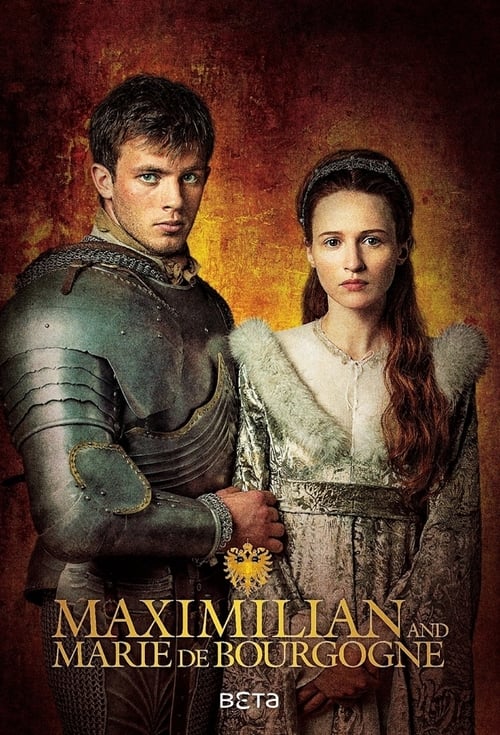
Maximilian - Il gioco del potere e dell'amore
Charlotte de Savoye • 2017
Serie
★6/10
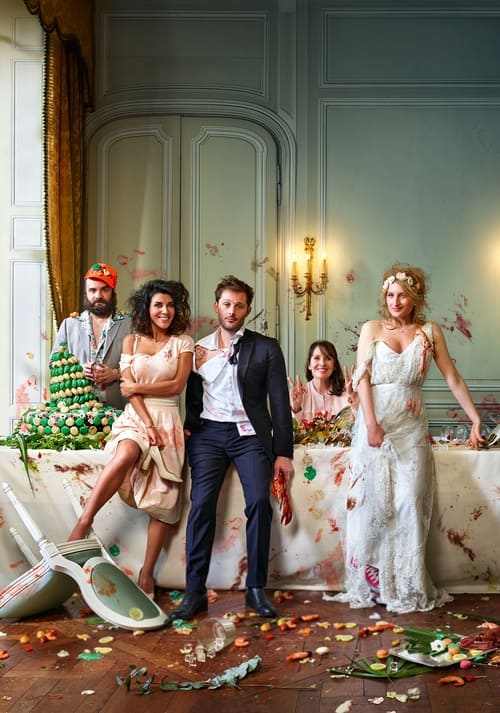
Jour J
Clarisse • 2017
Film
★6/10
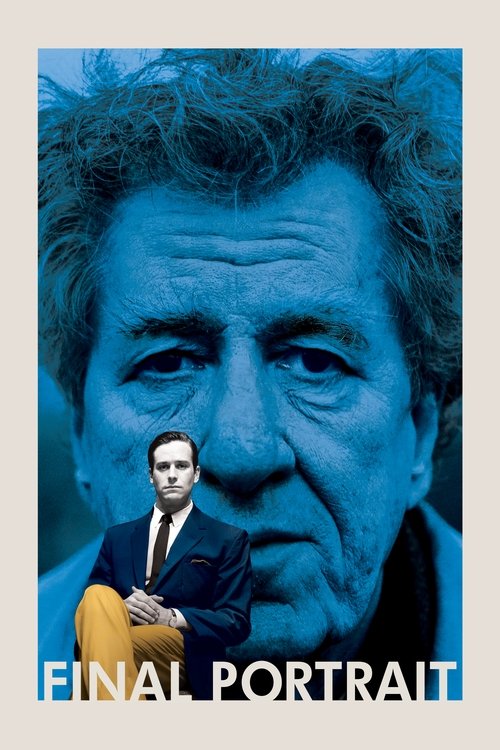
Final Portrait - L'arte di essere amici
Annette Giacometti • 2017
Film
★6/10

Tamara
Amandine • 2016
Film
★6/10
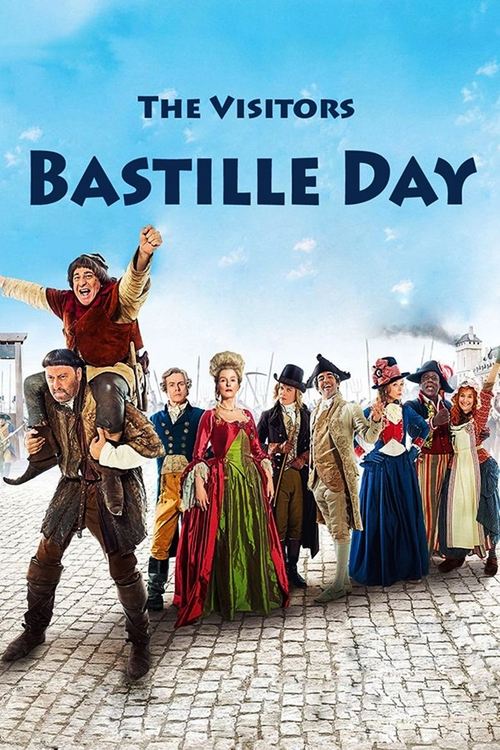
I visitatori 3 - Liberté, Egalité, Fraternité
Charlotte de Robespierre • 2016
Film
★4/10
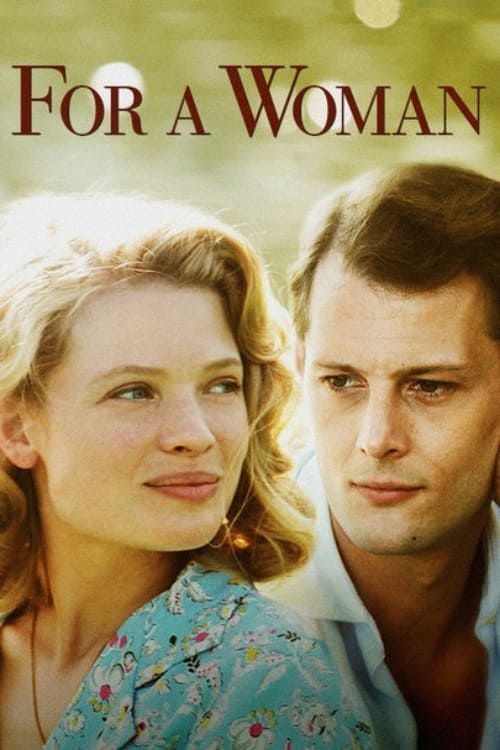
For a Woman
Anne • 2013
Film
★6/10

Rebellion - Un atto di guerra
Chantal Legorjus • 2011
Film
★7/10
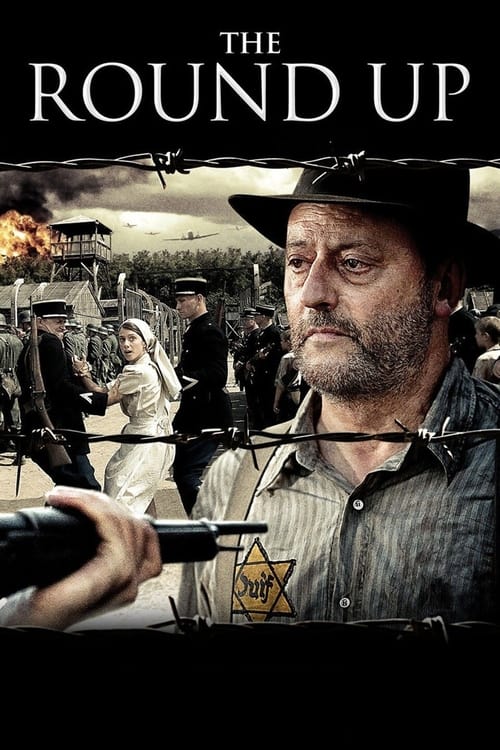
Vento di primavera
Bella Zygler • 2010
Film
★8/10
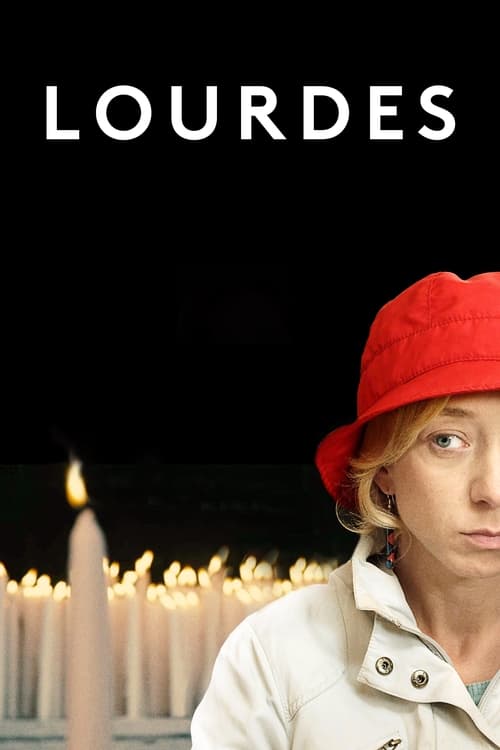
Lourdes
Christine • 2009
Film
★7/10

Vendicami
Irene Costello • 2009
Film
★7/10

Lucky Luke
Calamity Jane • 2009
Film
★4/10
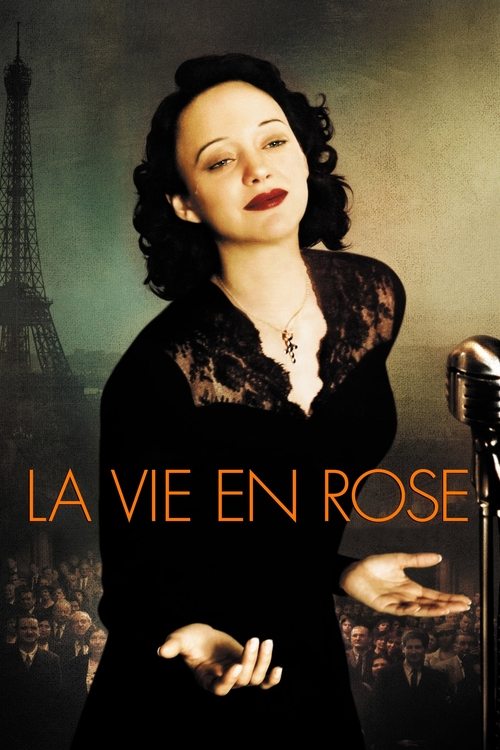
La Vie en Rose
Simone 'Mômone' Berteaut • 2007
Film
★7/10
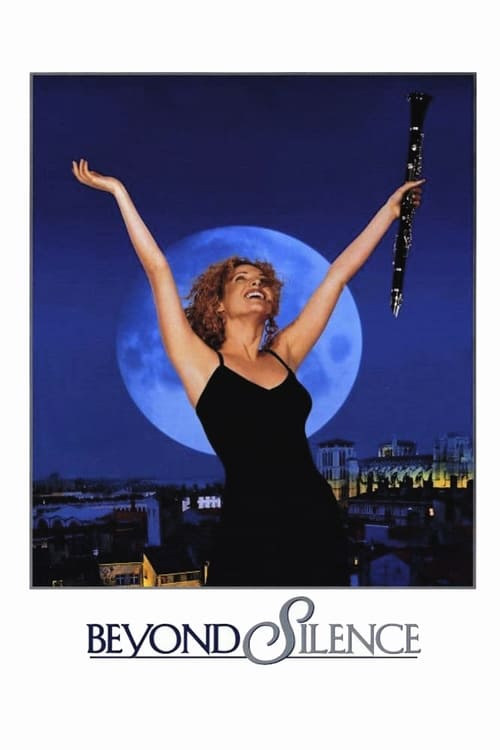
Al di là del silenzio
Lara • 1996
Film
★7/10