What is The Twilight Zone?
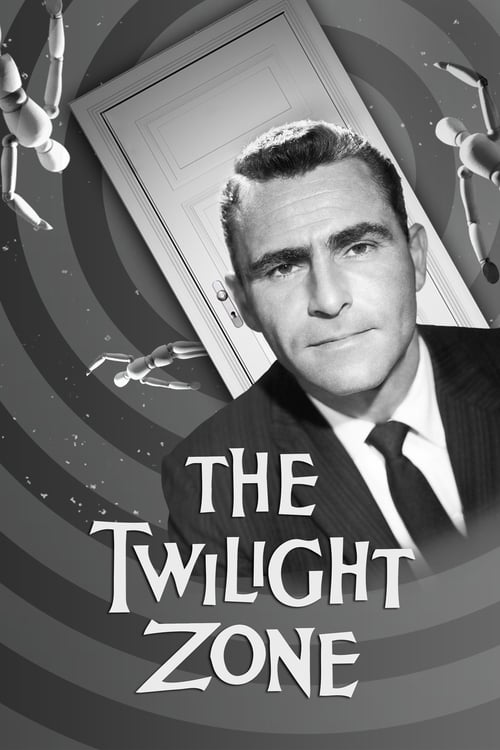
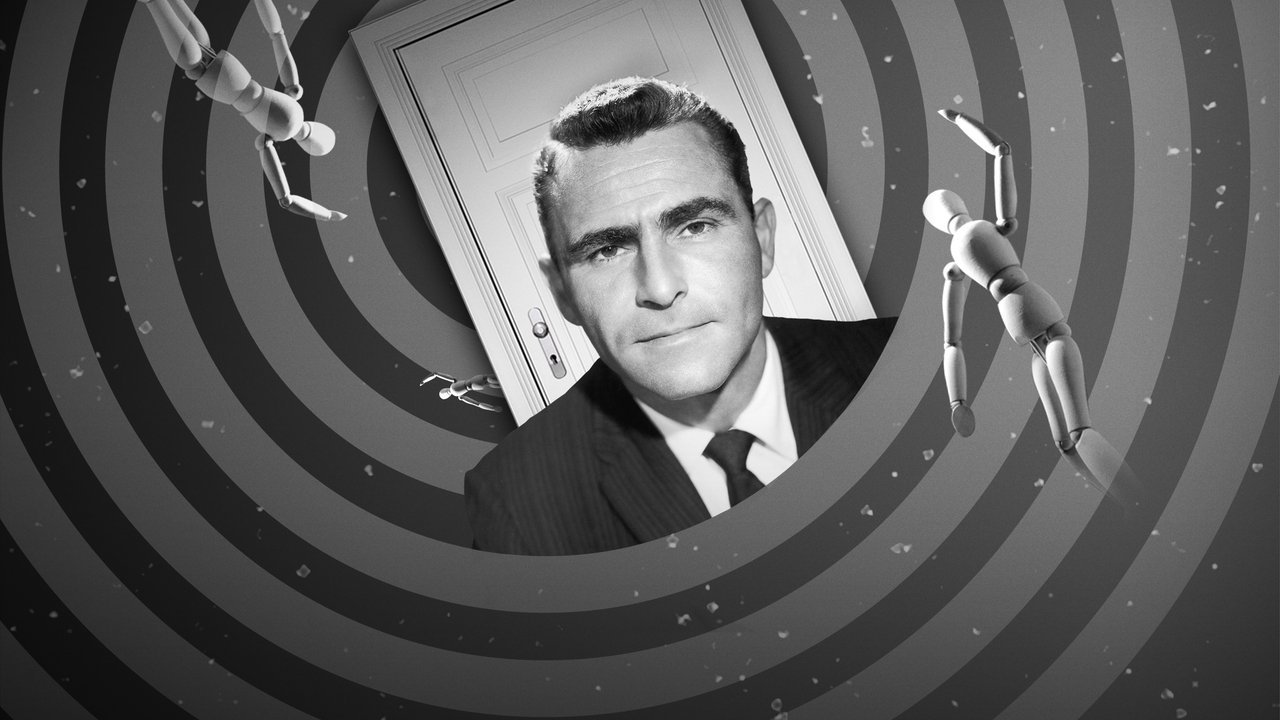
The Twilight Zone is a 1959 American anthology television series created by Rod Serling. It features standalone stories that blend science fiction, fantasy, horror, and mystery, often ending with a twist.
How many seasons and episodes does the series have?
The original series ran for five seasons, comprising 156 episodes. It aired from 1959 to 1964 on CBS.
Who created and narrated the show?
Rod Serling created the series, served as its executive producer, and narrated each episode. His opening and closing monologues framed every story.
What is the typical length of an episode?
Episodes were generally 25 minutes long, except for season 4, which aired in a 51‑minute format due to a brief network experiment.
Do the episodes share recurring characters?
No, the show is an anthology format with no recurring characters—each episode presents a new story, set of characters, and premise.
What is a 'twist ending' in this context?
A twist ending is a surprise or unexpected conclusion that often carries a moral or philosophical point, reshaping the viewer’s understanding of the story.
What themes are common across the episodes?
Common themes include human nature, social injustice, the consequences of technology, and the fragility of reality. Many stories also touch on political or moral dilemmas.
Why was season four made longer?
Season four aired in a 51‑minute slot at CBS’s request. The network wanted to experiment with longer storytelling, though it was later reverted to the half‑hour format.
Where can I watch the series today?
The series is available on streaming platforms such as Paramount+, Hulu, and Amazon Video. Physical copies exist on DVD and Blu‑ray for collectors.
Is there a movie version of the series?
Yes, a feature film adaptation titled Twilight Zone (1983) exists, but it is not directly linked to the original 1959 series.
What is the opening theme music?
The original opening theme was composed by Bernard Herrmann for seasons 1‑3, replaced by Marius Constant’s guitar‑based theme from season 2 onward.
Which writers contributed to the show?
Rod Serling wrote or co‑wrote 92 of the 156 episodes. Other writers included Charles Beaumont, Richard Matheson, and many guest writers.
Did the show influence later television series?
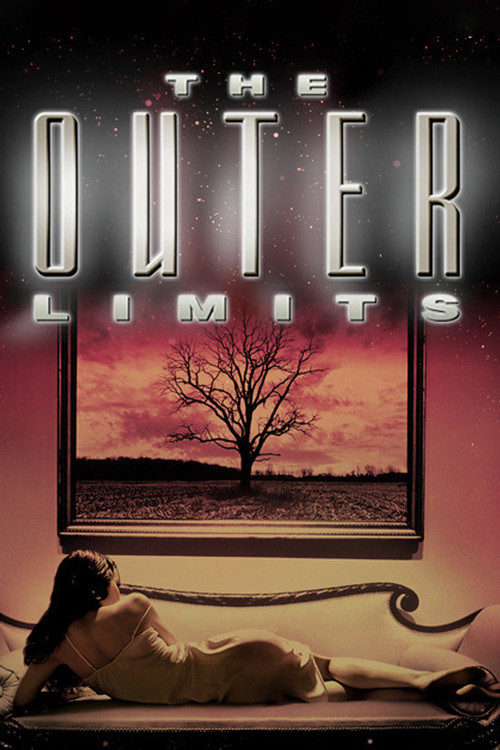
Absolutely. It pioneered the modern anthology format and influenced shows like The X‑Files, Black Mirror, and The Outer Limits.
Which episodes are considered classics?
Episodes such as 'Time Enough at Last,' 'The Monsters Are Due on Maple Street,' and 'The Invaders' are frequently cited as classics for their storytelling and moral weight.
Are there any controversial episodes?
Some episodes faced criticism for their political content or portrayal of race and gender. The network sometimes censored or edited certain scenes.
Is the show suitable for children?
While the series predates modern content guidelines, many episodes contain mature themes, psychological tension, and occasional violence, making it best for older teens and adults.
How does the 1959 version differ from later revivals?
The 1959 version relies on a straightforward anthology with Serling’s narration. Later revivals update the aesthetic and storytelling but keep the core concept of self‑contained, twist‑heavy tales.
Are there DVD releases of the series?
Yes, the series has been released on DVD and Blu‑ray in several collections, including a complete series set and individual season sets.
What is the cultural impact of the series?
The Twilight Zone has left an indelible mark on pop culture, influencing literature, film, and television. Its phrase has entered everyday language to describe surreal or uncanny experiences.
Can I find a fan community for the series?
Yes, numerous online forums, fan sites, and social media groups discuss episodes, theories, and legacy, keeping the conversation active today.
Is the original 1959 audio still available?
Original audio recordings and radio adaptations exist on select releases and online archives for those interested in the series’ early soundscapes.
What is the narrative tone of the show?
The tone blends suspense, speculative wonder, and moral reflection, often employing psychological tension and subtle humor to explore complex ideas.
Are there any recurring motifs?
Common motifs include the use of the eye, time loops, and ambiguous reality. These elements reinforce the series’ themes of uncertainty and introspection.
Why is Rod Serling such a central figure?
Serling’s dual role as creator and narrator gave him the ability to set the emotional tone and deliver critical commentary, making him the series’ recognizable face.