What was the 'Internet Myths' episode about?
The 'Internet Myths' episode looked at common ideas about the internet to see if they were true.
What is a ' எனable' on MythBusters?
The term ' எனable' is not a standard term used on MythBusters. It might be a typo or a misunderstanding.
What were some of the most popular myths they tested?
Some popular myths included whether you could really sink a fleet of ships with a single cannonball, if a pirate burial at sea would really work, and if electricity could travel through water to electrocute someone.
Who were the members of the Build Team?
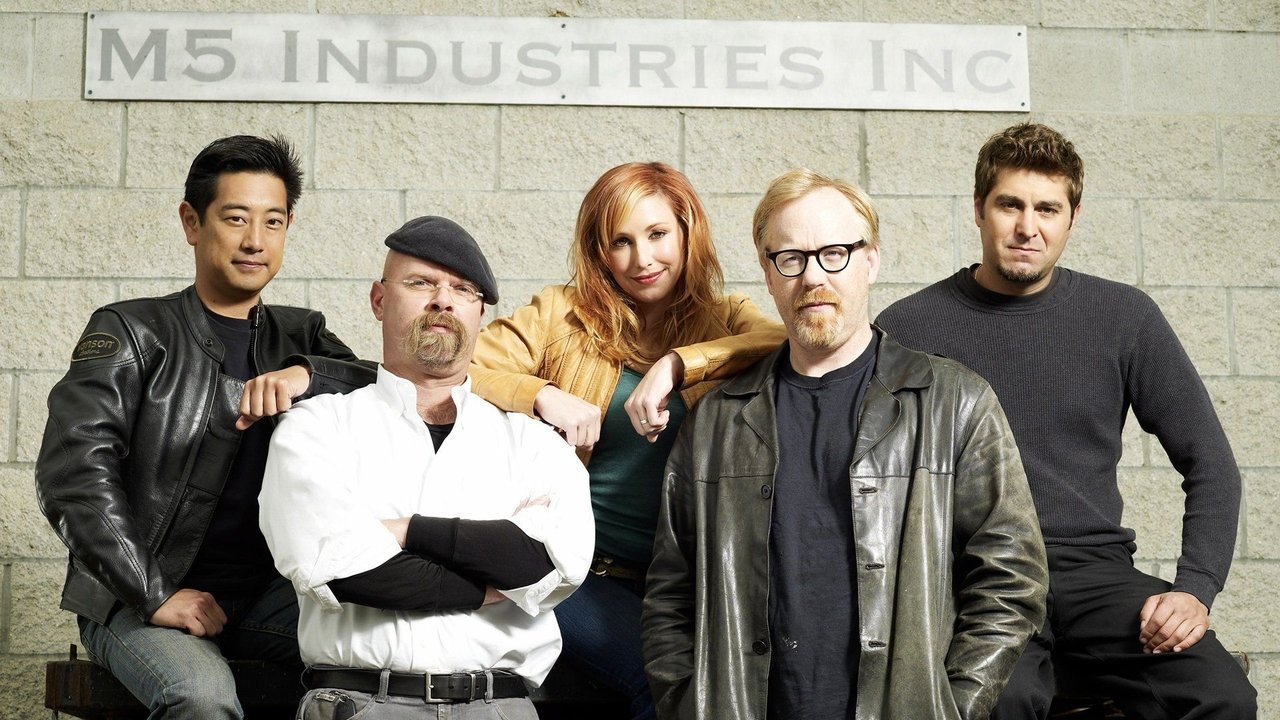
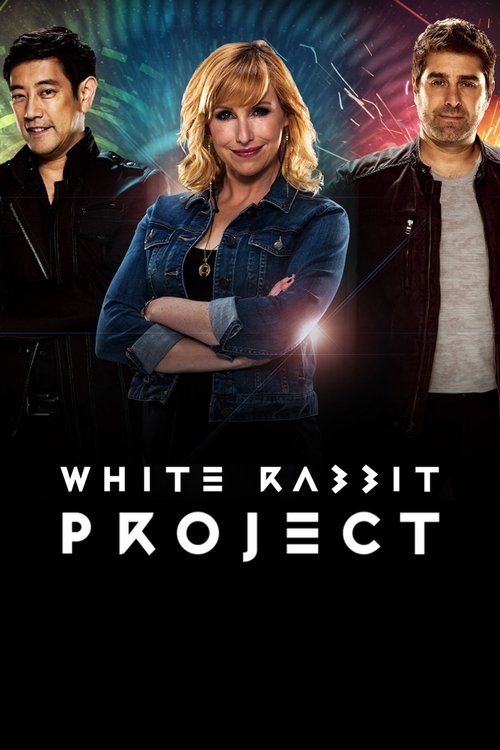
The Build Team members were Kari Byron, Grant Imahara, and Tory Belleci.
Did the MythBusters ever get hurt?
Yes, the MythBusters sometimes got hurt, but usually in minor ways. They were careful and had safety measures.
What does it mean to 'bust' a myth?
To 'bust' a myth means to prove that it is false or not true through experiments.
How did they get their ideas for myths?
They got ideas from viewers, movies, historical accounts, and common sayings.
What is a 'fail' on MythBusters?
A 'fail' on MythBusters means that an experiment did not work as planned or showed that the myth was false.
Who were the main hosts of MythBusters?
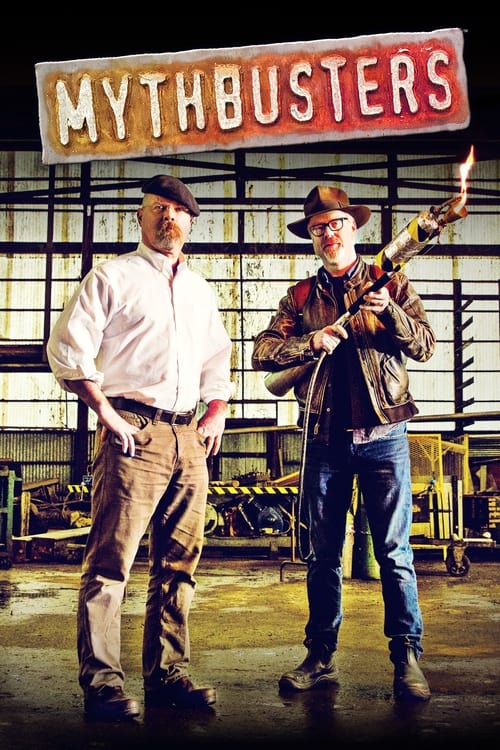
The main hosts were Adam Savage and Jamie Hyneman.
Were the experiments on MythBusters real science?
Yes, the experiments on MythBusters used the scientific method to test myths in a real way.
What is MythBusters about?
MythBusters was a show where Adam Savage and Jamie Hyneman tested common myths and popular beliefs using science and experiments to see if they were true or false.
What did Kari Byron do on the show?
Kari Byron was part of the Build Team and helped design and build the experiments. She also presented findings.
Did they ever re-test a myth?
Yes, they sometimes re-tested myths, often with new ideas or better methods.
Did they use science to test the myths?
Yes, they used scientific principles and methods to test the myths.
Where did MythBusters get filmed?
MythBusters was filmed in the San Francisco Bay Area in California.
What kind of myths did they test?
They tested myths from everyday life, history, movies, and the internet.
What was the 'Build Team' on MythBusters?
The 'Build Team' was a group of people who helped Adam and Jamie with the experiments, building props, and testing.
What did Adam Savage and Jamie Hyneman do on the show?
Adam Savage and Jamie Hyneman were the hosts who designed, built, and conducted the experiments to test myths.
How did they make sure their tests were fair?
They tried to make their tests fair by controlling variables and repeating experiments to get consistent results.
What did Tory Belleci do on the show?
Tory Belleci was part of the Build Team, focusing on building and testing experiments, often with a creative approach.
What was the 'Movie Myths' episode about?
The 'Movie Myths' episode tested if famous stunts and events seen in movies were actually possible in real life.
Did they ever bust a myth that surprised them?
Yes, there were times when the results of an experiment surprised them, showing a myth was either true or false in an unexpected way.
What does it mean to 'confirm' a myth?
To 'confirm' a myth means to prove that it is true through experiments.
What did Grant Imahara do on the show?
Grant Imahara was part of the Build Team, known for his expertise in robotics and electronics, which he used in their experiments.
What was the point of blowing things up?
Blowing things up was often part of testing myths related to explosions, forces, or destructive events, showing the power and effects in a dramatic way.
Will there be a new MythBusters?
As of early 2026, there have been no official announcements about a new season of MythBusters. The original series concluded in 2016, and while there have been revivals and specials, a full return is not currently planned.
Why did MythBusters end?
MythBusters ended because the hosts, Adam Savage and Jamie Hyneman, felt it was the right time to conclude the show after a successful run. They wanted to explore other projects and felt they had exhausted the show's potential.
What was the 'What if you could travel through time?' myth?
The 'What if you could travel through time?' myth explored the theoretical possibilities and paradoxes of time travel, often referencing popular science fiction concepts. They investigated if altering the past could change the present and examined the physics involved.
What are the Build Team members doing now?
Many of the Build Team members have gone on to work on other projects in film, television, and engineering. Kari Byron, Tory Belleci, and Grant Imahara (before his passing) were involved in various science and maker-focused shows and events.
What was the 'Do people really dream in black and white?' myth?
The 'Do people really dream in black and white?' myth investigated whether dreams are perceived in color or in monochrome. They looked at historical context, such as the prevalence of black and white television, and conducted experiments to understand dream perception.
What was the 'Can you really make a cannon out of a phone book?' myth?
The 'Can you really make a cannon out of a phone book?' myth tested the structural integrity of a phone book and whether it could be used to construct a functional projectile launcher. They explored the physics of compressed paper and explosive force.
What was the 'What if you could breathe underwater?' myth?
The 'What if you could breathe underwater?' myth explored the biological and physical challenges of humans breathing underwater. They examined existing technologies and theoretical biological adaptations that would be necessary for unaided underwater respiration.
What are Adam and Jamie doing now?
Adam Savage has continued to be a prominent figure in the maker community, hosting shows like 'MythBusters Jr.' and 'Savage Builds,' and engaging in various online content creation. Jamie Hyneman has focused on his animation company and other creative ventures.
What was the last myth they tested?
The very last myth tested on the original MythBusters series was 'Duck Tape Island,' which explored the practical applications and limitations of duct tape in survival scenarios.
How did they decide which myths to test for the final season?
For the final season, they often revisited popular or unresolved myths, as well as introducing new, ambitious experiments. The selection process likely involved input from the hosts, producers, and audience suggestions.
When did MythBusters end?
The original run of MythBusters concluded on March 6, 2016.
What was the 'Is it possible to fall from a plane without a parachute?' myth?
The 'Is it possible to fall from a plane without a parachute?' myth investigated survival from extreme falls. They examined terminal velocity, the effects of impact, and historical accounts of people who survived high falls.
Where can I watch old MythBusters episodes?
Old MythBusters episodes can typically be found on streaming services like Hulu, Amazon Prime Video, and Discovery+. They are also sometimes available for purchase or rent on digital platforms.
What was the 'What if you could outrun a bullet?' myth?
The 'What if you could outrun a bullet?' myth explored the physics of speed and human reaction time versus projectile velocity. They tested whether a human could physically move faster than a speeding bullet.
What was the 'Can you really escape from Alcatraz?' myth?
The 'Can you really escape from Alcatraz?' myth likely examined the feasibility of escaping the infamous prison, considering its security measures and the surrounding environmental challenges like the cold water and currents of San Francisco Bay.
What did the 'Do magnets repel humans?' myth explore?
The 'Do magnets repel humans?' myth investigated whether human bodies possess magnetic properties that could be repelled by strong magnetic fields. They explored scientific theories about magnetism and its interaction with biological matter.
What was the 'What if you could survive a fall from space?' myth?
The 'What if you could survive a fall from space?' myth delved into the extreme conditions of re-entry into Earth's atmosphere and the physical forces involved in surviving such a fall. They likely considered concepts like terminal velocity and heat resistance.
What was the 'Can you really make a boat out of duct tape?' myth?
The 'Can you really make a boat out of duct tape?' myth tested the strength and waterproof capabilities of duct tape by attempting to construct a seaworthy vessel solely from the adhesive material.
What was the 'Can you really make a bomb with household items?' myth?
This myth likely explored the theoretical possibility and dangers of creating explosive devices using common household materials, focusing on chemical reactions and the principles of detonation. MythBusters typically approached such topics with extreme caution and emphasis on safety.
What was the 'Can you really make a submarine out of a trash can?' myth?
The 'Can you really make a submarine out of a trash can?' myth would have investigated if a standard trash can could be modified and pressurized to function as a makeshift submersible, considering the challenges of water pressure and buoyancy.
What was the 'Can you really make a rocket out of a soda bottle?' myth?
The 'Can you really make a rocket out of a soda bottle?' myth explored the principles of propulsion using common materials. They likely tested the effectiveness of water and air pressure in launching a soda bottle.
What was the 'Born to Be Wild' myth about?
The 'Born to Be Wild' myth likely related to the song of the same name and explored themes of freedom, rebellion, or the perceived wildness associated with certain lifestyles or actions, possibly testing if certain behaviors were innate or learned.
What was the 'Can you really get drunk from a hand sanitizer?' myth?
The 'Can you really get drunk from a hand sanitizer?' myth investigated the alcohol content in hand sanitizers and whether consuming them could lead to intoxication. They likely tested the effects of ingestion and the concentration of alcohol.
What was the 'Can a person outrun a train?' myth?
The 'Can a person outrun a train?' myth examined the physics of speed and acceleration, comparing human running capabilities with the speed and momentum of a moving train to determine if escape was possible.
What was the 'What if you could become invisible?' myth?
The 'What if you could become invisible?' myth explored the scientific principles behind invisibility, discussing concepts like light manipulation and perception, and whether it could ever be a reality for humans.