
Musim
Episod
Pelayan pemain
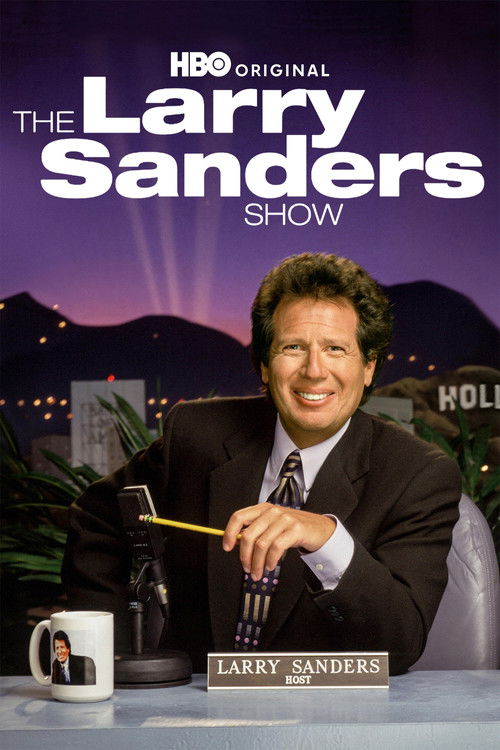
The Larry Sanders Show

The Larry Sanders Show

19928
Komedi
Diterbitkan
15 Ogo 1992
Negara
Amerika Syarikat
Produksi
Columbia Pictures TelevisionHBOBrillstein-Grey EntertainmentBrillstein Entertainment Partners
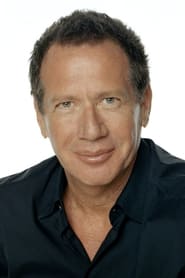
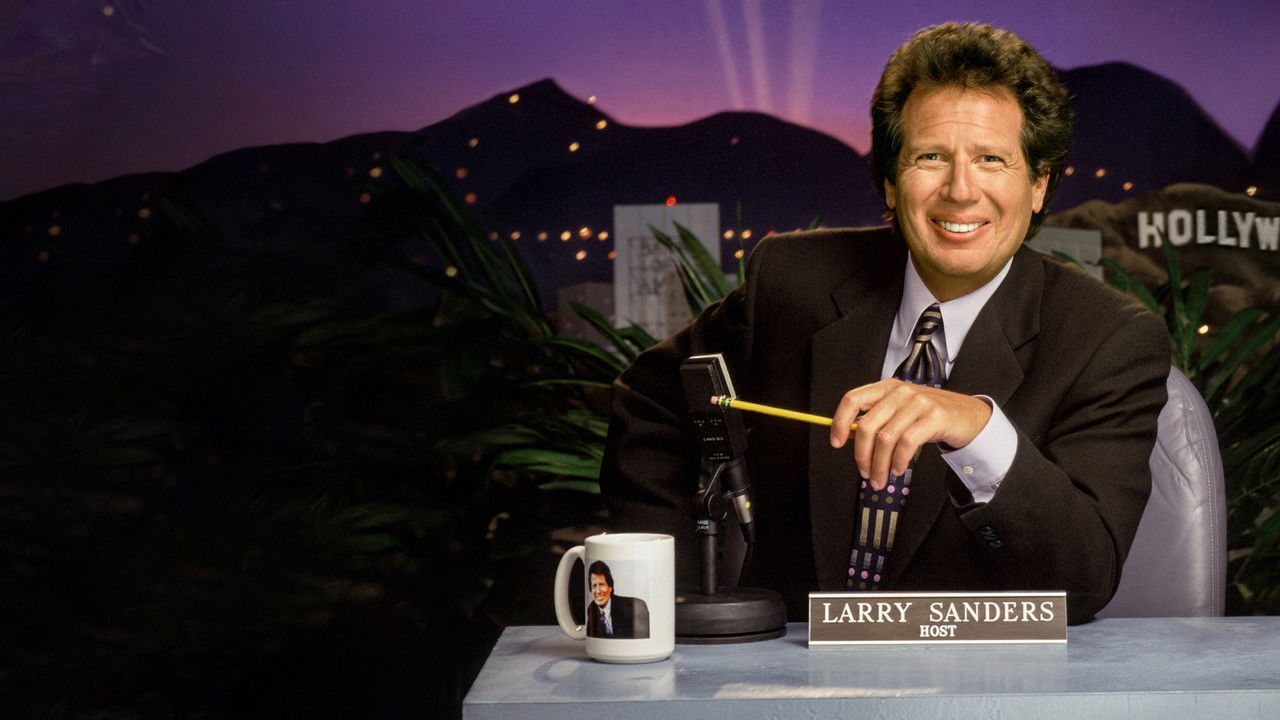
Komik Garry Shandling menggunakan pengalaman rancangan bual bicaranya sendiri untuk mencipta watak Larry Sanders, hos rancangan bual bicara lewat malam yang paranoid dan tidak selamat. Larry, bersama-sama dengan sahabat TVnya yang taksub Hank Kingsley dan penerbitnya yang sangat melindungi Artie, membenarkan Garry Shandling dan penulisnya yang berbakat untuk melihat di belakang tabir dan menunjukkan kepada kita sekeping kehidupan di belakang kamera yang meyakinkan.

About

The Larry Sanders Show is a sharp, behind‑the‑scenes sitcom that follows a fictional late‑night talk show and its cast of beleaguered hosts, writers, and producers.

Created by Garry Shandling and Dennis Klein, the series satirises the world of late‑night television through the eyes of host Larry Sanders, a self‑absorbed star who constantly battles insecurity and studio politics. With a sidekick Hank Kingsley, a loyal producer Artie, and a rotating cast of writers and talent bookers, the show offers an inside look at the chaos that hides behind a polished studio audience. Celebrity guests appear as exaggerated versions of themselves, blurring the line between reality and parody. The series ran six seasons on HBO, earning critical acclaim and a reputation for clever writing, realistic production techniques, and a candid portrayal of show‑business power dynamics.

What to know

  • Six seasons, 90 episodes on HBO (1992‑1998).
  • Garry Shandling stars as host Larry Sanders, the show’s main source of humor.
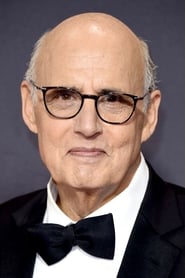
  • Jeffrey Tambor plays Hank Kingsley, the studio sidekick with a goofy catch‑phrase.
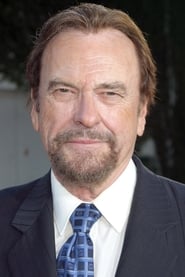
  • Rip Torn is Artie, the producer who keeps the crew in line.
  • Real celebrities appear as themselves in a self‑parodying guest‑list format.
  • The show blends sitcom timing with a documentary‑style behind‑the‑scenes approach.
  • It’s known for sharp, often self‑referential dialogue and a satirical tone.
  • The series is a launchpad for later HBO shows like The Sopranos and The Wire.

Watch if

If you enjoy witty satire that peeks behind the curtain of show business, especially the chaotic world of late‑night television, this series offers smart humor, realistic production methods, and a sharp look at celebrity culture.

Skip if

If you prefer light‑hearted, straightforward sitcoms without industry satire, the show’s cynical humor and insider focus may feel too dense or niche for you.

dialogue heavydark tonelanguage somelanguage strongmature themespsychological elementsslow burnsuspenseful
Premise and Structure
The series opens on a late‑night talk show’s opening credits, then cuts to backstage scenes where the crew prepares the broadcast. Episodes intertwine the on‑air performance with the crew’s backstage drama, blurring the line between show and reality. This format lets viewers see how a polished program is made, while the dialogue pokes fun at the industry’s egos and politics.
Character Dynamics
Larry Sanders, the host, is a narcissistic figure whose ego often causes tension with his producer Artie. Hank Kingsley, the eager sidekick, supplies comic relief and a manic energy that keeps the studio lively. The writers, bookers, and assistants all play off each other, creating a micro‑society where ambition, loyalty, and self‑interest collide.
Guest Appearances
Real celebrities appear as exaggerated versions of themselves, ranging from talk‑show hosts to musicians. Their participation adds a layer of meta‑humor, as they often reveal the gap between their public image and backstage reality. The show uses these cameos to comment on fame, media manipulation, and celebrity culture.
Production Style
The show blends single‑camera sitcom techniques with a documentary‑style look, using handheld cameras for backstage footage. The live studio audience in the early seasons adds authenticity, while the scripted dialogue retains sharp pacing. This hybrid approach set a new standard for shows that mock television production.
Critical Reception
Critics praised the series for its intelligent writing and realistic portrayal of TV production. It earned multiple Emmy nominations and won several awards, solidifying its status as a landmark comedy. The series’ mix of satire and realism resonated with audiences who appreciated its industry insight.
Legacy and Influence
The show is credited with influencing later HBO series, such as The Sopranos, The Wire, and Curb Your Enthusiasm. Its mock‑documentary style inspired shows like The Office, and its candid look at celebrity culture influenced talk‑show satire across the medium. The series remains a touchstone for writers who wish to blend humor with industry critique.

FAQ

What is The Larry Sanders Show about?
It follows the fictional late‑night talk show hosted by Larry Sanders and the crew who manage the production behind the scenes. The series mixes on‑air segments with backstage drama to create a satirical look at the entertainment industry.
Who created and starred in the show?
Garry Shandling co‑created the series with Dennis Klein and stars as host Larry Sanders. The show also features Jeffrey Tambor as Hank Kingsley and Rip Torn as producer Artie.
How many seasons and episodes were produced?
The series ran six seasons from 1992 to 1998 and produced a total of 90 episodes. Each season contains roughly 15 to 20 episodes.
Are the celebrity guests real people?
Yes, many real celebrities appear as themselves, often playing exaggerated versions of their public personas. Their appearances add meta‑humor and highlight the gap between on‑air image and backstage reality.
What makes the dialogue in the show so sharp?
The writers craft tight, self‑referential lines that comment on show business and the characters’ insecurities. The rapid exchange and breaking of the fourth wall keep the humor fresh and engaging.
Does the show use a laugh track?
No, the series does not use a laugh track, relying on a live studio audience and natural reactions to deliver comedic timing.
What was the show’s reception when it aired?
It received universal critical acclaim, earning several Emmy nominations and winning awards such as the Peabody. Critics praised its realism and sharp satire.
What influence did the show have on later series?
It paved the way for HBO dramas like The Sopranos and The Wire, and inspired sitcoms such as 30 Rock, The Office, and Curb Your Enthusiasm with its mock‑documentary style and industry critique.
Is the show suitable for all audiences?
The show contains mature themes, language, and occasional strong references, making it best suited for adult viewers who appreciate satire and industry insider humor.
How is the production style different from other sitcoms?
It blends single‑camera comedy with documentary‑style backstage footage, creating a realistic feel for how a talk show is actually made. This hybrid approach was novel at the time.
Why does Larry Sanders act so insecure?
The character’s insecurity stems from his fear of losing relevance and his constant battle with the studio’s demands. It provides a source of humor and drives many plot points.
What is the role of the sidekick Hank Kingsley?
Hank serves as the studio’s energetic assistant and comedic foil to Larry. His catchphrase "Hey now" and enthusiastic personality add levity to tense backstage moments.
Who is Artie in the show?
Artie is the producer who keeps the crew organized and often clashes with Larry over creative decisions. He is portrayed as both protective and cynical about the industry’s inner workings.
How does the show handle the writers’ staff?
The writers are portrayed as the backbone of the show, dealing with deadlines, ego clashes, and creative conflicts. Their dynamics mirror the chaos on the set.
Are there any notable guest stars?
Guests include famous figures such as David Letterman, Sharon Stone, Jon Stewart, and many other celebrities who play parodied versions of themselves.
Does the show have a series finale?
Yes, the final episode, titled "Flip," wraps up the characters’ arcs and the show’s production, offering a bittersweet conclusion to the series. The ending remains faithful to the show’s satirical tone.
Can the show be watched on streaming platforms?
Yes, the complete series is available on HBO Max, allowing new viewers to binge the entire run.
What is the episode structure like?
Episodes typically begin with the studio’s opening sequence, then split between on‑air segments and backstage scenes that reveal the crew’s challenges and personal dramas.
How does the show use humor to critique the industry?
It exaggerates industry tropes, such as the ego of hosts, the pressure of ratings, and the exploitation of talent. This satire exposes the absurdities of late‑night television.
Why is the show considered a cult classic?
Its unique blend of sharp writing, realistic production, and insider humor has earned it a loyal fan base and influence on subsequent comedy series.
What is the tone of the series?
The tone mixes cynical humor with moments of genuine emotion, offering a dark but often light‑hearted look at the television industry.
Is the show in a single camera format?
Yes, the show is filmed with a single camera setup, giving it a cinematic feel uncommon in sitcoms of its era.

Pelakon

Garry Shandling
Garry Shandling
Larry Sanders
Jeffrey Tambor
Jeffrey Tambor
Hank Kingsley
Wallace Langham
Wallace Langham
Phil
Rip Torn
Rip Torn
Arthur
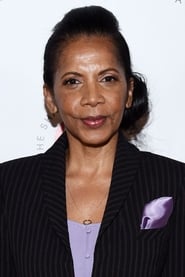
Penny Johnson Jerald
Beverly Barnes
Mary Lynn Rajskub
Mary Lynn Rajskub
Marylou Collins
Scott Thompson
Scott Thompson
Brian