When did El Señor de los Cielos first air?
El Señor de los Cielos first aired on February 14, 2013.
Is El Señor de los Cielos based on a true story?
The series is inspired by the life of Amado Carrillo Fuentes, a real-life drug lord, but it is a fictionalized account.
What is the relationship between Aurelio Casillas and Ximena Letrán?
Aurelio Casillas and Ximena Letrán are married in the series, and they have children together.
What is El Señor de los Cielos about?
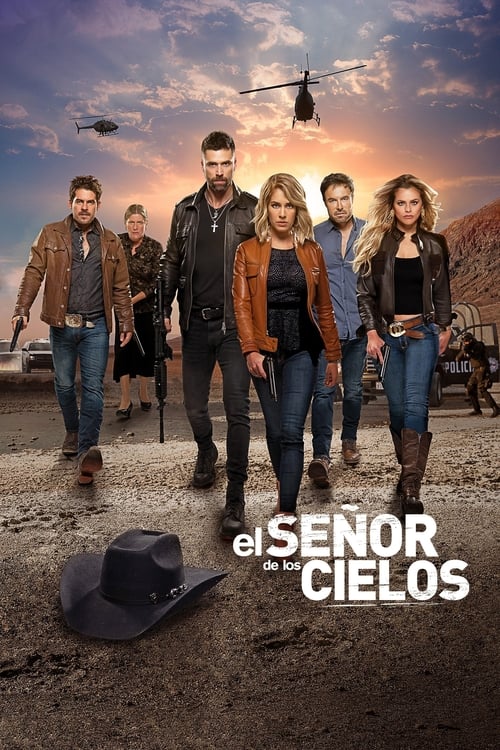
It's a show about a powerful drug trafficker named Aurelio Casillas and his life of crime, power, and family.
What is the production background of the show?
The show is a Telemundo production, filmed in various locations including Mexico and the United States.
What are the real-life inspirations for the characters?
Many characters are inspired by real people involved in the drug trade, most notably Amado Carrillo Fuentes.
Who are the main actors in El Señor de los Cielos?
The main actor is Rafael Amaya, who plays Aurelio Casillas.
What are the main themes of the show?
The main themes are power, corruption, loyalty, betrayal, and the consequences of a life of crime.
What is the impact of El Señor de los Cielos on television?
It has been a very popular and successful show, known for its dramatic portrayal of drug cartel life.
What kind of music is featured in El Señor de los Cielos?
The show features a variety of music, including regional Mexican music and narco-corridos.
Who is Mónica Robles?
Mónica Robles is a powerful and influential businesswoman and drug trafficker in the series.
What is Aurelio Casillas's real name?
Aurelio Casillas is a fictional character. The series is inspired by Amado Carrillo Fuentes, who was known as 'El Señor de los Cielos'.
Are there any spin-offs of El Señor de los Cielos?
Yes, there have been spin-off series and related shows.
What are the challenges faced by Aurelio Casillas?
He faces challenges from rivals, law enforcement, betrayal from within his own organization, and family issues.
Who is the creator of El Señor de los Cielos?
The show was created by Luis Alberto Restrepo and Mariano Calasso.
Who is the main character in El Señor de los Cielos?
The main character is Aurelio Casillas.
Who are the main antagonists in El Señor de los Cielos?
The main antagonists include rival drug lords, law enforcement agencies, and sometimes even people close to Aurelio.
What is the significance of the drug cartel in the series?
The drug cartel is central to the plot, representing the source of power, wealth, and conflict for the characters.
What is the role of General Montoya?
General Sanchez Montoya is a military official who becomes a key antagonist and adversary to Aurelio Casillas.
What happens to Aurelio Casillas at the end of the series?
The fate of Aurelio Casillas varies throughout the series' different seasons and story arcs, with him often facing capture, death, or retirement and return.
What is the plot of El Señor de los Cielos?
The plot follows Aurelio Casillas as he rises to become one of the most powerful drug traffickers in Mexico, dealing with rivals, authorities, and his personal life.
How does Aurelio Casillas become El Señor de los Cielos?
He becomes 'El Señor de los Cielos' through his ambition, ruthlessness, and success in the drug trade, particularly through his use of airplanes to transport drugs.
What was the filming location for El Señor de los Cielos?
Filming locations have included Mexico and Colombia.
Where can I watch El Señor de los Cielos?
You can watch El Señor de los Cielos on platforms like Telemundo and streaming services that carry the show.
How many seasons does El Señor de los Cielos have?
As of early 2026, El Señor de los Cielos has had multiple seasons, with an eighth season having aired.
What is the portrayal of women in El Señor de los Cielos?
Women in "El Señor de los Cielos" are often shown as strong, ambitious, and sometimes ruthless figures who navigate the dangerous world of drug trafficking. They can be partners, rivals, or victims, frequently exhibiting resilience and playing significant roles in the narrative's power dynamics.
What is the ending of El Señor de los Cielos about?
The ending of "El Señor de los Cielos" typically involves Aurelio Casillas facing his enemies and the consequences of his actions. Each season concludes with cliffhangers or resolutions that set up future conflicts and character developments, often showing him trying to maintain or regain control in a chaotic world.
What are the most memorable scenes from the show?
Memorable scenes often include intense shootouts, dramatic betrayals, lavish parties, and moments where Aurelio Casillas narrowly escapes death or outsmarts his rivals. His confrontations with other drug lords and law enforcement are also frequently cited as impactful.
What are the producers' intentions for the series?
The producers likely intended to create a thrilling drama that explores the rise and fall of a powerful drug lord, examining themes of power, corruption, family, and the consequences of violence within the context of the drug trade.
What are the common criticisms of El Señor de los Cielos?
Common criticisms include the show's glorification of violence and drug trafficking, its sometimes repetitive plotlines, and the portrayal of exaggerated or unrealistic scenarios. Some also critique the depiction of women and the blurring of lines between fiction and reality.
How does the show handle violence and its consequences?
The show depicts violence frequently and often graphically, showing shootouts, assassinations, and the brutal nature of the drug trade. While it highlights the immediate impact, the long-term consequences for individuals and society are also explored, though sometimes overshadowed by the action.
What are the key plot twists in the series?
Key plot twists often involve unexpected betrayals from close allies, characters faking their deaths, the sudden rise of new antagonists, and Aurelio Casillas's frequent ability to escape seemingly impossible situations, often through cunning or violence.
What is the significance of the title 'El Señor de los Cielos'?
The title "El Señor de los Cielos" (The Lord of the Skies) refers to Aurelio Casillas's immense power and reach in the drug trade, suggesting his control over vast networks and his seemingly unassailable position, as if he rules from the heavens.
Is there a specific historical period covered?
The series covers a fictionalized period roughly from the late 20th century into the 21st century, coinciding with the height of Mexican cartel power and the ongoing war on drugs, though it takes creative liberties with timelines and events.
What are the character arcs of the main protagonists?
The main protagonists, particularly Aurelio Casillas, often undergo arcs of rising power, followed by struggles with maintaining control, facing betrayals, and dealing with the physical and emotional toll of their violent lifestyle. Their arcs usually involve a constant battle for survival and dominance.
How does the series explore loyalty and family?
The series explores loyalty and family through the lens of the drug trade, where these bonds are often tested by greed, betrayal, and the constant threat of violence. Family members are sometimes complicit in criminal activities or become targets, creating complex emotional conflicts.
How does the political climate influence the story?
The political climate, including corruption within government and law enforcement, significantly influences the story. It often creates obstacles and alliances for the drug cartels, showing how political instability and corruption can enable and protect criminal enterprises.
How has the series evolved over its seasons?
Over its seasons, the series has seen Aurelio Casillas face increasing challenges, from rivals and authorities to personal betrayals and health issues. New characters are introduced, alliances shift, and the scope of the drug empire often expands and contracts, reflecting changing dynamics in the drug war.
What is the visual style of El Señor de los Cielos?
The visual style is characterized by gritty realism mixed with a cinematic flair, featuring fast-paced editing, dramatic lighting, and often opulent settings juxtaposed with the harsh realities of violence and poverty associated with the drug trade.
What are the moral dilemmas faced by the characters?
Characters face moral dilemmas involving the choices between loyalty to family and criminal enterprise, the use of extreme violence to achieve goals, and the corrupting influence of power and money. They often grapple with the justification of their actions.
What are the fan theories about the show?
Fan theories often revolve around the ultimate fate of Aurelio Casillas, potential returns of deceased characters, and how different factions might rise or fall in future seasons. Speculation about alliances and betrayals is also common.
What are the main differences between the show and reality?
The show is a dramatization and takes significant liberties with reality. While inspired by real figures and events, it features exaggerated characters, heightened drama, and plotlines that are often more sensationalized than factual accounts of drug trafficking operations.
What is the overall message or commentary of the series?
The series seems to comment on the destructive cycle of violence, greed, and corruption inherent in the drug trade, exploring the complex motivations of those involved and the far-reaching consequences of their actions on individuals, families, and society.
Who are the supporting characters and their importance?
Supporting characters include family members, loyal lieutenants, corrupt officials, and determined law enforcement agents. They are crucial for driving the plot, creating conflicts, providing emotional depth, and highlighting the different facets of Aurelio's world and the impact of his choices.
What are the driving forces behind the character's actions?
The primary driving forces behind characters' actions are typically power, greed, survival, family protection, and a desire for control. For Aurelio Casillas, the pursuit and maintenance of his drug empire is the central motivation.
How do different characters react to Aurelio's power?
Characters react to Aurelio's power with a mix of fear, admiration, resentment, and ambition. Some become loyal followers, others seek to exploit or undermine him, and many are simply caught in the crossfire of his dominance.
How does the show depict the drug trade?
The show depicts the drug trade as a complex, violent, and highly lucrative business involving intricate networks, brutal competition, and constant evasion of law enforcement. It highlights the immense wealth and power it can generate, as well as the pervasive corruption and human cost.
What is the role of betrayal in the show?
Betrayal is a central and recurring theme, acting as a major plot device that drives conflict and consequences. It often comes from trusted allies or family members, underscoring the precariousness of loyalty in the dangerous world of drug trafficking.