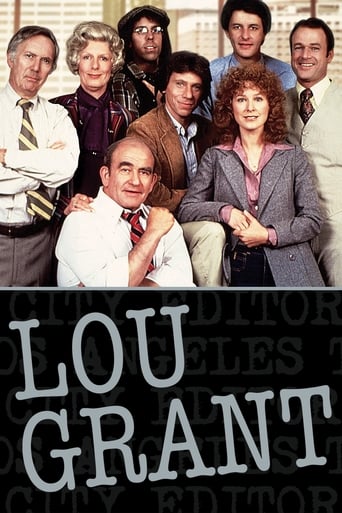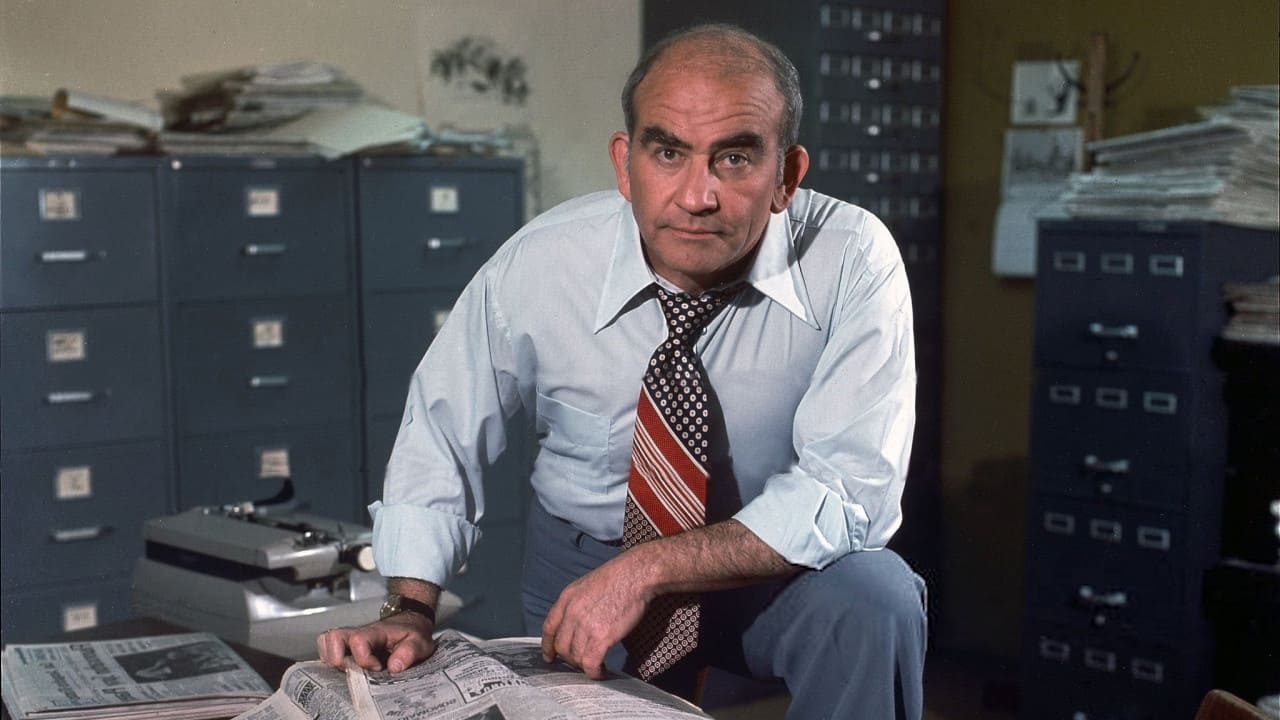
Lou Grant
Servidor do player
Episódio
Temporada
Lou Grant

Lou Grant

19777
DramaComédia
Lançamento
20 de set. de 1977
País
Estados Unidos
Produção
MTM Enterprises
Os julgamentos de um ex-gerente de emissora de televisão que virou editor de jornal da cidade, e sua equipe de jornalistas.

About

A gritty look at a former TV station manager who now runs a city newspaper.

Lou Grant follows Ed Asner’s eponymous character as he leaves his long‑time job as a TV news director and takes the helm of the Los Angeles Tribune’s city desk. The series explores the challenges of newsroom politics, ethical dilemmas, and the personal lives of a tight‑knit group of reporters and editors. Through hard‑hit stories—from civil rights to environmental disasters—the show highlights the power of investigative journalism to shape public opinion. Lou’s leadership style, built on integrity and experience, pushes his staff toward greater accountability while navigating corporate pressures and societal change.

What to know

  • The show aired from 1977 to 1982, producing 114 hour‑long episodes.
  • It tackled real‑world social issues such as nuclear safety, domestic abuse, and child protection.
  • Ed Asner’s Lou is a former TV news director, now a city editor at a fictional Los Angeles paper.
  • The series features strong character development for reporters Joe Rossi and Billie Newman.
  • The show won 13 Primetime Emmy Awards, including Outstanding Drama Series.
  • It is known for its realistic portrayal of newsroom dynamics and investigative reporting.
  • The series was cancelled amid controversies surrounding Asner’s political activism.

Watch if

If you appreciate character‑driven dramas that address hard‑earned journalism, social justice, and complex newsroom politics, Lou Grant offers a realistic, thought‑provoking experience that rewards attentive viewers with depth and nuance.

Skip if

If you prefer light‑hearted sitcoms or action‑oriented dramas with flashy set pieces, this show’s slow‑burn storytelling and focus on dialogue and moral choices may feel too slow or heavy for you.

mature themespolitical themesdialogue heavyinvestigation heavydark toneslow burnsad tonepsychological elementslanguage somelanguage strong
From TV to Print
Lou’s departure from WJM-TV marks a significant career pivot that sets the series in motion. The change highlights his desire to tackle more substantial stories and exercise greater editorial control. It also underscores the differing pressures between television and print media during the era.
Real‑World Issues
The show does not shy from controversial subjects: nuclear safety, child abuse, and civil rights are woven into plotlines. By addressing such topics, the series emphasizes journalism’s role as a societal watchdog, inviting viewers to reflect on media responsibility.
Character Dynamics
Lou’s relationships with reporters Joe Rossi and Billie Newman evolve from mentorship to collaboration. Supporting characters, like publisher Margaret Pynchon, provide contrasting viewpoints on editorial ethics and corporate pressure.
Ethical Dilemmas
Each episode presents a moral crossroads—whether to publish a story that could harm an individual or to expose a powerful figure. Lou’s guidance forces staff to confront the tension between truth and consequence.
Leadership Style
Lou balances firmness with empathy, insisting on thorough research while fostering open dialogue. His decisions often set the tone for the newsroom’s culture, encouraging accountability and creative thinking.
Industry Insight
The series offers a behind‑the‑scenes look at the day‑to‑day operations of a newspaper, from editorial meetings to field reporting. Viewers gain insight into how stories are sourced, verified, and finalized.
Legacy and Cancellation
Lou Grant’s cancellation in 1982 coincided with broader industry shifts and political controversy. The show’s impact, however, persists through its influence on subsequent media dramas and its recognition as a groundbreaking narrative.

FAQ

What is Lou Grant about?
It follows a former TV news director who becomes a city editor at a Los Angeles newspaper and his team’s investigations into pressing social issues. The focus is on ethical journalism and newsroom dynamics.
Who created the show?
The series was created by James L. Brooks, Allan Burns, and Gene Reynolds as a spin‑off from The Mary Tyler Moore Show.
When did it air?
It ran on CBS from September 20, 1977, to September 13, 1982, for five seasons and 114 episodes.
Why was it cancelled?
The cancellation was linked to declining ratings and controversies surrounding Ed Asner’s political activism, though many viewers attribute it to industry changes.
Is it related to The Mary Tyler Moore Show?
Lou Grant is a spin‑off; it continues the character Lou Grant, who was introduced on The Mary Tyler Moore Show as a TV news director.
What kind of topics does the show cover?
It tackles issues like nuclear safety, child abuse, environmental pollution, domestic violence, gay rights, and capital punishment, offering a realistic view of investigative journalism.
How is the newsroom portrayed?
The show presents a realistic newsroom environment with editorial meetings, reporters in the field, and ethical decision‑making processes, highlighting the pressures of deadlines and corporate influence.
Who are the main supporting characters?
Key figures include publisher Margaret Pynchon, managing editor Charles Hume, photographer Dennis "Animal" Price, reporter Joe Rossi, and reporter Billie Newman.
What is Lou Grant’s leadership style?
Lou values integrity, thorough research, and open dialogue. He mentors his staff while maintaining editorial standards and navigating corporate politics.
Does the series use a realistic tone?
Yes, it uses a realistic tone, avoiding dramatized sensationalism and focusing instead on genuine stories and the human side of journalism.
What was the reception like at the time?
It received critical acclaim, winning 13 Emmy awards, and was praised for its depth and realism in portraying the newspaper industry.
Are there any notable guest stars?
The show featured guest appearances by actors such as Nancy Marchand and other well‑known figures from the era, adding depth to the newsroom setting.
How does it differ from other journalism shows?
Unlike many contemporary shows, it focuses on the ethical and social responsibilities of journalists, rather than just sensational headlines.
Is the series available for streaming?
Yes, it has been released on DVD by Shout! Factory, and some episodes may be found on streaming platforms that host classic television series.
What age group is suitable for this show?
The series contains mature themes, political content, and strong language, making it best suited for adults and mature teens.
Does the show use any fictional names for newspapers?
The main paper is called the Los Angeles Tribune, a fictional creation for the series.
Did the show influence later media dramas?
Yes, it set a standard for realistic newsroom dramas and influenced later series like The Newsroom and The West Wing in their portrayal of media and politics.
What was the character’s real name?
The character’s name is Lou Grant, which remains consistent from The Mary Tyler Moore Show to this series.
Is there a spin‑off from Lou Grant?
No new spin‑offs were produced after this series, although the character continued to appear in a brief episode of The Mary Tyler Moore Show’s reunion special.
How many seasons does the show have?
The show ran for five seasons, totaling 114 episodes.
Are there any notable awards?
It earned 13 Primetime Emmy Awards, including Outstanding Drama Series twice, and received other honors such as the Peabody Award.

Atores