Servidor do player
Episódio
Temporada
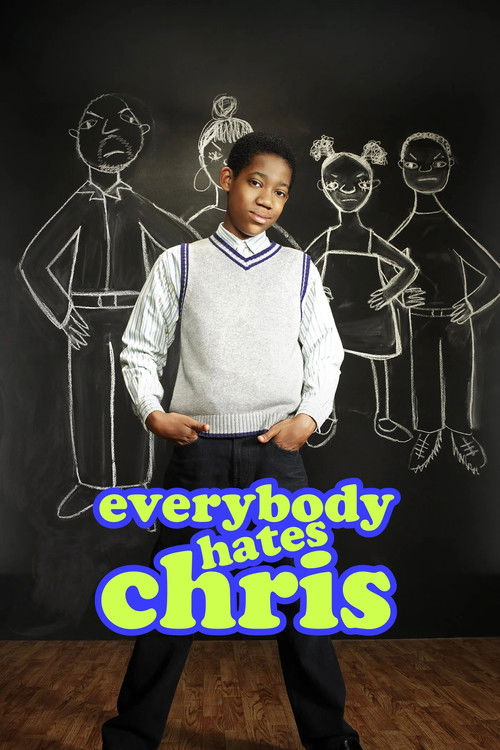
Todos Contra o Chris

Todos Contra o Chris

20058
Comédia
Estreia
22/09/2005
País
Estados Unidos
Produções
Chris Rock Entertainment3 Arts EntertainmentParamount TelevisionCBS Studios
Em 1982, Chris completa 13 anos e muda-se com a sua família para Bedford-Stuyvesant. Lá, Chris vive situações corriqueiras da vida de um adolescente, tanto nas histórias que realmente acontecem quanto nos pensamentos que são expostos de uma forma humorística.Ele estuda em um colégio onde é o único aluno negro, situação que o vitimiza durante todo seu tempo lá. Mas ele faz um amigo, Greg), que vai estar sempre junto de Chris, passando por suas situações tragicamente cómicas.

About

A Brooklyn teen navigates school, family, and identity in this 80s comedy.

Chris, the eldest of three, moves with his family to a new Brooklyn neighborhood in the early 1980s. Bussed two hours to a predominantly white middle school, he juggles homework, friendships, and keeping his younger siblings in line. The series follows his attempts to fit in, make his parents proud, and learn life lessons amid everyday mishaps and cultural clashes.

What to know

  • Set in the early 1980s Brooklyn.
  • Chris is the oldest of three siblings.
  • The family moves to a new, mixed‑race neighborhood.
  • Chris attends a predominantly white middle school.
  • His parents are strict but caring.
  • The show blends humor with social commentary.
  • Episodes are half an hour long.
  • The tone is light but touches on mature themes.

Watch if

If you enjoy family‑centric sitcoms that mix humor with honest looks at growing up, and you appreciate shows that reflect the 80s culture and the challenges of adolescence, this series offers relatable moments and a warm, funny perspective.

Skip if

If you’re looking for high‑energy slapstick or a show centered on fantasy or action, this gentle, character‑driven comedy might feel slow or too grounded for your taste.

family friendlylight tonemature themesdialogue heavypolitical themeslanguage some
Setting and Timeframe
The series takes place in early 1980s Brooklyn, capturing the neighborhood’s vibrancy and the era’s fashion, music, and technology. The timeline provides a backdrop for social issues relevant to the time, such as school segregation and economic shifts.
Family Core
Chris’s parents are hardworking, enforcing discipline while encouraging ambition. The family’s dynamic, with an older brother and younger sister, creates a mix of support and conflict. Their interactions illustrate the importance of communication and mutual respect.
School Life
Chris attends a predominantly white middle school, a setting that highlights both opportunities and challenges. The show depicts typical school situations—homework, social status, and teacher relationships—while underscoring the value of perseverance.
Friendship & Rivalry
Chris’s classmates provide a range of personalities, from supportive allies to rival rivals. These relationships explore loyalty, honesty, and the impact of peer pressure, offering comedic moments and life lessons.
Cultural Identity
The series addresses race, class, and cultural heritage, showing how Chris navigates identity in a diverse environment. Humor is balanced with thoughtful commentary on inclusion and respect.
Life Lessons
Each episode presents a simple moral—whether about honesty, responsibility, or empathy—wrapped in everyday scenarios. These lessons aim to resonate with both teens and adults.
Production Style
The sitcom follows a classic single‑camera format with a live audience feel, allowing for crisp dialogue and natural pacing. The music and costumes reinforce the period setting.

FAQ

Is Everybody Hates Chris based on Chris Rock’s life?
Yes, the show is loosely based on Chris Rock’s early childhood and family experiences, though it is a fictionalized, comedic adaptation.
Why does Chris travel two hours to school?
The family lives in a Brooklyn neighborhood that is far from the predominantly white middle school they attend, reflecting real commuting challenges.
What is the main conflict in the series?
Chris struggles with fitting in at school while maintaining order at home, balancing his parents’ expectations with his personal goals.
How many seasons does the show have?
The series ran for four seasons, from 2005 to 2009, with a total of 82 episodes.
Which characters are Chris’s siblings?
Chris’s younger brother is Drew, and his sister is Tonya. They often appear in family scenes and comedic situations.
What themes are explored?
The show touches on family dynamics, cultural identity, adolescence, friendship, and social class, all wrapped in humor.
Are there any notable guest stars?
Guest appearances include actors such as John Turturro, Debra Messing, and Chris Rock himself, adding to the show's appeal.
Why does the show end after four seasons?
Production concluded because the child actors were aging out of their roles, and the creators chose to end on a solid note.
Is the show appropriate for younger viewers?
Yes, the series is family-friendly, though some language is mild; it is suitable for teens and adults.
Do the characters have real names?
Most characters share the same names as the actors or are named after family members, adding authenticity.
How does the show reflect 1980s culture?
Set music, fashion, and references to events of the era provide an authentic feel.
What is the significance of the family’s apartment?
The apartment symbolizes stability and community, and often serves as the setting for many family interactions.
Does the show address social issues?
Yes, it tackles issues such as racism, class differences, and the importance of education through everyday scenarios.
Is there a romantic subplot?
Romantic moments appear, especially in later seasons, but the focus remains on family and school life.
Why was the show produced on UPN and The CW?
The network shift reflected changing audience demographics and the show’s appeal to a younger, diverse viewership.
What was the reception of the show?
Critics praised its humor and relatable characters, and it gained a loyal fan base during its run.
What type of humor is used?
The series uses situational comedy, witty dialogue, and observational humor about teenage life.
Does the show feature any music from the 80s?
Background music and songs reflect the era, creating an authentic period soundscape.
What is the main message of the show?
It encourages perseverance, honesty, and family support while navigating adolescence.
Can the show be streamed online?
Yes, it is available on several streaming platforms that license UPN/CW content.
What is the most memorable episode?
Episodes that combine school mishaps with heartfelt family moments resonate most with viewers.
How is the character of Julius portrayed?
Julius, the father, is depicted as a hardworking, caring patriarch who balances discipline with love.
What type of language is used?
The show contains mild profanity and occasional strong language, but it is generally appropriate for family viewing.
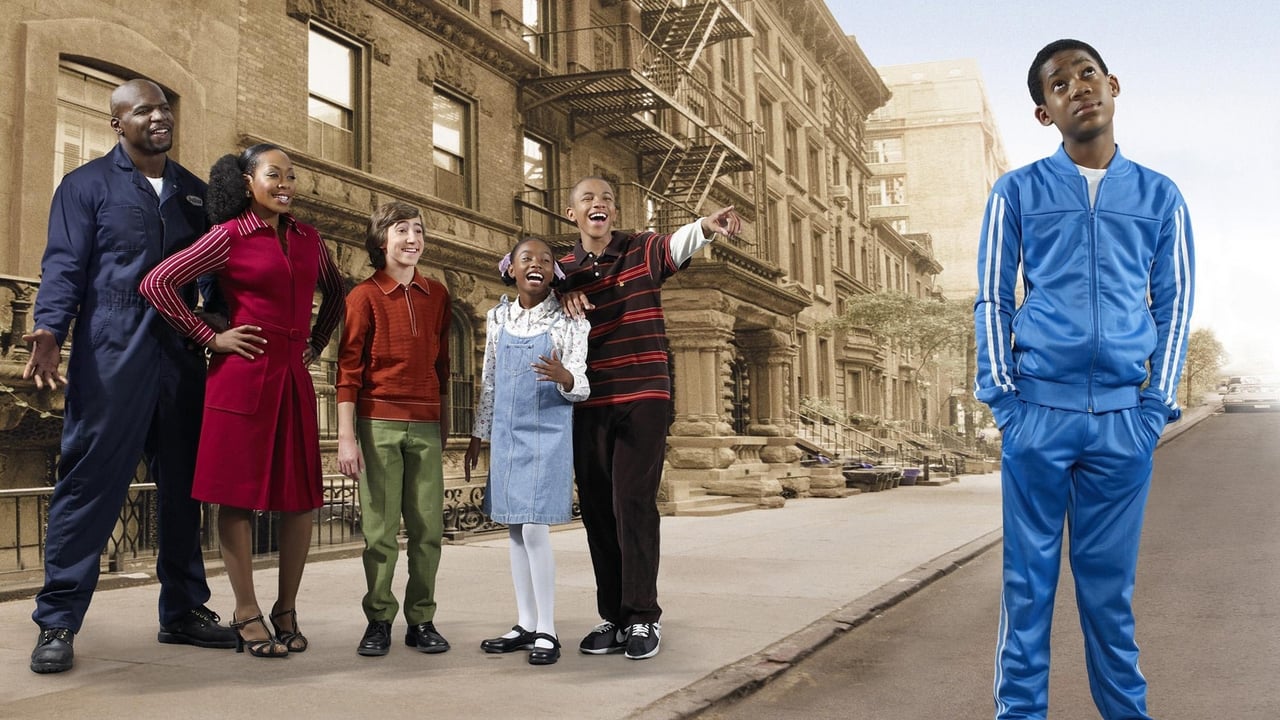

Atores