What is Friday Night Lights about?
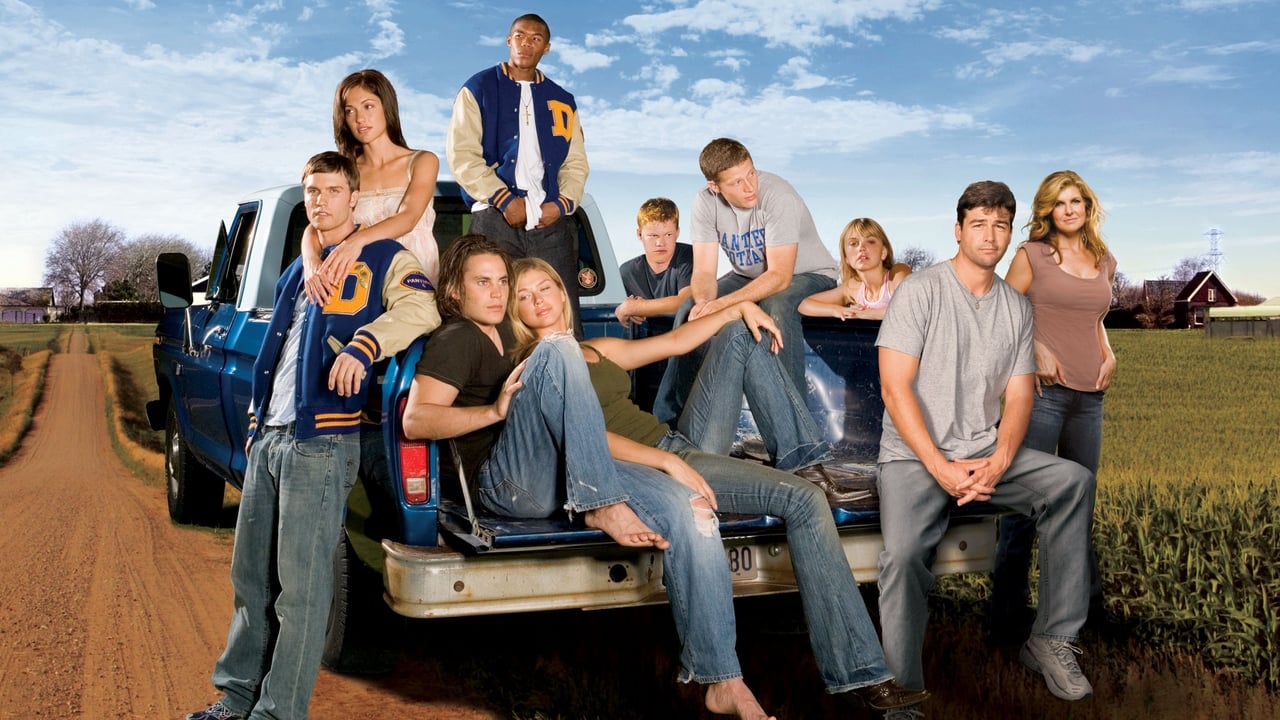
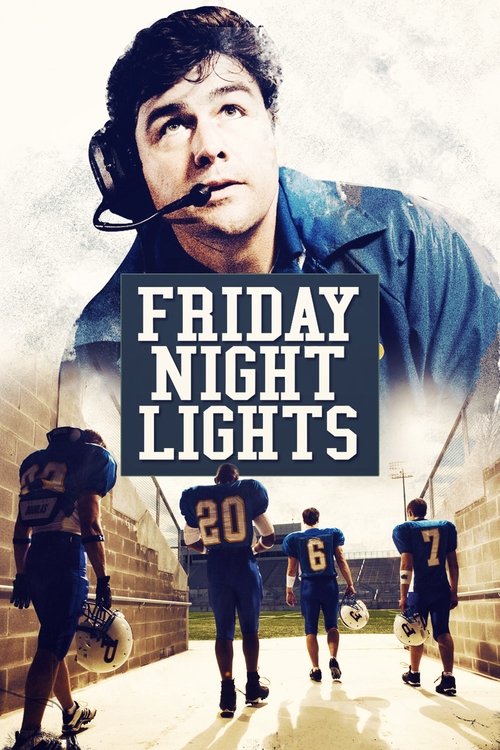
The show chronicles Dillon High School’s football team and the people who rely on the sport. It examines the pressures of competition, school life, and personal relationships while highlighting the town’s culture.
Who are the main characters?
Key figures include Coach Eric Taylor, his wife Tami, and players Matt Saracen, Tim Riggins, Landry Clarke, and others who form a close‑knit community around football.
How many seasons and episodes does the series have?
Friday Night Lights ran for five seasons, totaling 76 episodes, each about 43 minutes long.
Where is the show set?
It is set in the fictional town of Dillon, Texas, modeled after the real town of Odessa and its high‑school football culture.
Is the series based on a book or film?
Yes, it draws from H. G. Bissinger’s 1990 book and the 2004 film of the same name, adapting their themes into a television format.
Who created and produced the show?
Peter Berg created the series, with Jason Katims serving as showrunner. Universal Television produced it, and it aired on NBC and later DirecTV’s 101 Network.
Does the series end with a happy conclusion?
The finale offers closure for major storylines while maintaining the emotional realism that defines the series.
Did Friday Night Lights receive any awards?
It earned a Peabody Award, multiple Emmy nominations, and several other honors for writing, acting, and production.
Is the show appropriate for younger viewers?
The series contains mature themes, strong language, and occasional violence, so it is best suited for teens and adults.
Are there spin‑offs or reboots?
A 2024 reboot is in development, aiming to continue the story with a new cast while preserving the original’s spirit.
Does the show use real football footage?
Filming took place in Austin and Pflugerville, with real stadiums and local teams used to create authentic game scenes.
What major themes are explored?
Themes include loyalty, ambition, racism, addiction, academic pressure, and the cost of chasing dreams within a small community.
Does the series address racism or social issues?
Yes, episodes touch on racism, economic disparity, and family dynamics, providing social commentary within the football backdrop.
Are the characters based on real people?
While inspired by real events, characters are fictional and designed to embody the town’s diverse personalities.
Who plays Coach Eric Taylor?
Kyle Chandler portrays Coach Taylor, delivering a nuanced performance that earned him critical acclaim and multiple award nominations.
What is the overall tone of the show?
The tone balances intense game moments with intimate, character‑driven drama, leaning toward realism rather than stylized action.
How is the dialogue written?
Dialogue is sharp, natural, and often reflective of the characters’ backgrounds, contributing significantly to the show’s emotional depth.
Is there graphic violence in the series?
The show contains some physical altercations and intense moments, but it does not focus on gore or explicit violence.
Can I stream Friday Night Lights online?
The series was available on Netflix and now on various streaming platforms. Availability may vary by region and service.
How can I watch the entire series?
You can find complete seasons on DVD, Blu‑ray, or digital download. Streaming services often offer full collections as well.
How long are individual episodes?
Each episode runs approximately 43 minutes, typical of network television dramas.
Does the show feature any notable cameos?
Several guest stars, including former NFL players and actors, appeared in special episodes, adding authenticity to the football world.
What impact did the show have on popular culture?
It influenced subsequent sports dramas, sparked discussions on rural American life, and remains a benchmark for realistic character development.
Are there any notable awards for the actors?
Kyle Chandler and Connie Britton received multiple Emmy nominations, and the ensemble cast was praised for its chemistry.
What are the main conflicts in the series?
Conflicts stem from on‑field competition, off‑field relationships, personal aspirations, and the town’s collective expectations, creating a layered narrative.