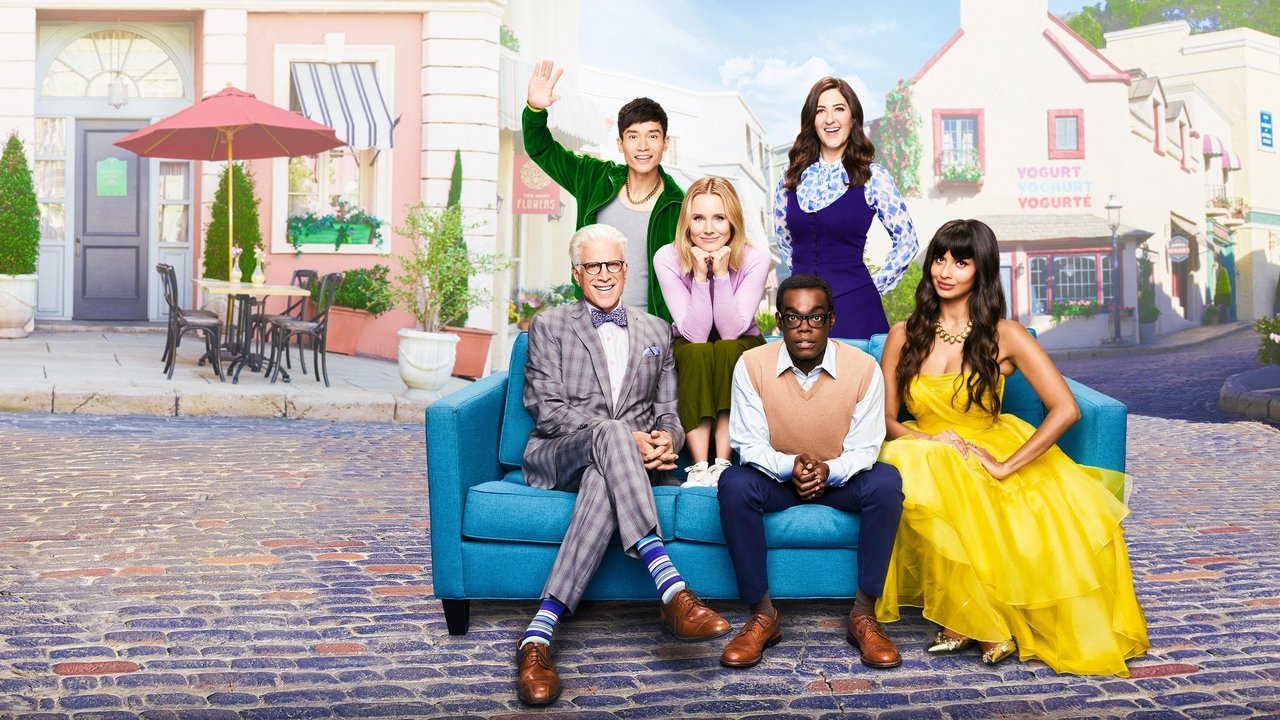
Who is Eleanor Shellstrop?
Eleanor is an average, often selfish woman who, after her death, ends up in a version of the afterlife called the Good Place. She is the central character driving the show’s humor and moral exploration.
What is the Good Place?
The Good Place is portrayed as a heavenly suburb where residents live in comfort, but it turns out to be a constructed environment designed to test and transform four human souls.
Why does Eleanor end up in the Bad Place?
The initial illusion of the Good Place is actually a deceptive façade, and the characters discover they are in a cruel experiment intended to punish rather than reward them.
Who is Michael and what is his role?
Michael is an angel‑turned‑architect who orchestrated the neighborhood’s design to test the characters’ moral progress, while secretly managing their day‑to‑day lives.
What is Janet’s function?
Janet is a digital assistant that provides information, performs tasks, and manages many practical aspects of the afterlife neighborhood.
What is the point system?
Actions earn or lose points that determine a person’s status in the afterlife. The goal is to accumulate enough points to stay in the Good Place.
Is the humor mainly dialogue‑driven?
Yes, rapid, witty exchanges between characters drive most of the series’ comedy, often coupled with absurd situations.
How many seasons and episodes are there?
The series ran for four seasons with a total of 88 episodes.
Who are the main supporting characters?
Chidi Anagonye (ethics professor), Tahani Al‑Jamil (socialite), and Jason Mendoza (DJ) are the primary companions who join Eleanor’s journey.
Are there recurring themes?
The show repeatedly examines ethics, personal growth, friendship dynamics, and the tension between self‑interest and altruism.
Does the show feature supernatural elements?
Yes, angels, demons, a digital assistant, and a unique afterlife environment are integral to the plot.
What is the tone of the final season?
Later seasons become darker, exploring deeper moral questions while still maintaining a humorous core.
How is the afterlife portrayed?
It’s a suburban setting with a hidden, complex system of rules, points, and tests that influence everyday life.
Do characters learn to become better people?
Throughout the series, each main character faces personal challenges and grows, often confronting their flaws.
Is the show suitable for families?
The humor is generally family‑friendly, though some themes touch on mature topics with a light tone.
What makes the series unique?
Its blend of philosophical discussion, clever writing, and a quirky afterlife premise distinguishes it from conventional comedies.
Are there any major plot twists?
Yes, revelations about the true nature of the Good Place, the purpose of the point system, and the characters’ fate keep the narrative surprising.
What kind of humor can viewers expect?
The show offers witty, quick‑fire dialogue, situational irony, and absurd character interactions.
Does the series incorporate real philosophical ideas?
The series references ethical theories and philosophical debates, making them accessible through comedic storytelling.
What is the significance of the afterlife’s point threshold?
The threshold determines a character’s eligibility for staying in the Good Place; it serves as a measure of moral progress.
How does the show treat friendship?
Friendship is central, with characters learning to support and challenge each other through ethical dilemmas.
Is there a romance subplot?
Romantic elements appear mainly in the secondary characters, adding depth without dominating the plot.
What type of audience enjoys the show?
Fans of smart, character‑driven comedy that mixes humor with philosophical musings tend to enjoy it.
Does the show end with a clear resolution?
The final season offers closure on the main characters’ arcs while leaving certain philosophical questions open.