What is the premise of ‘Moving’?
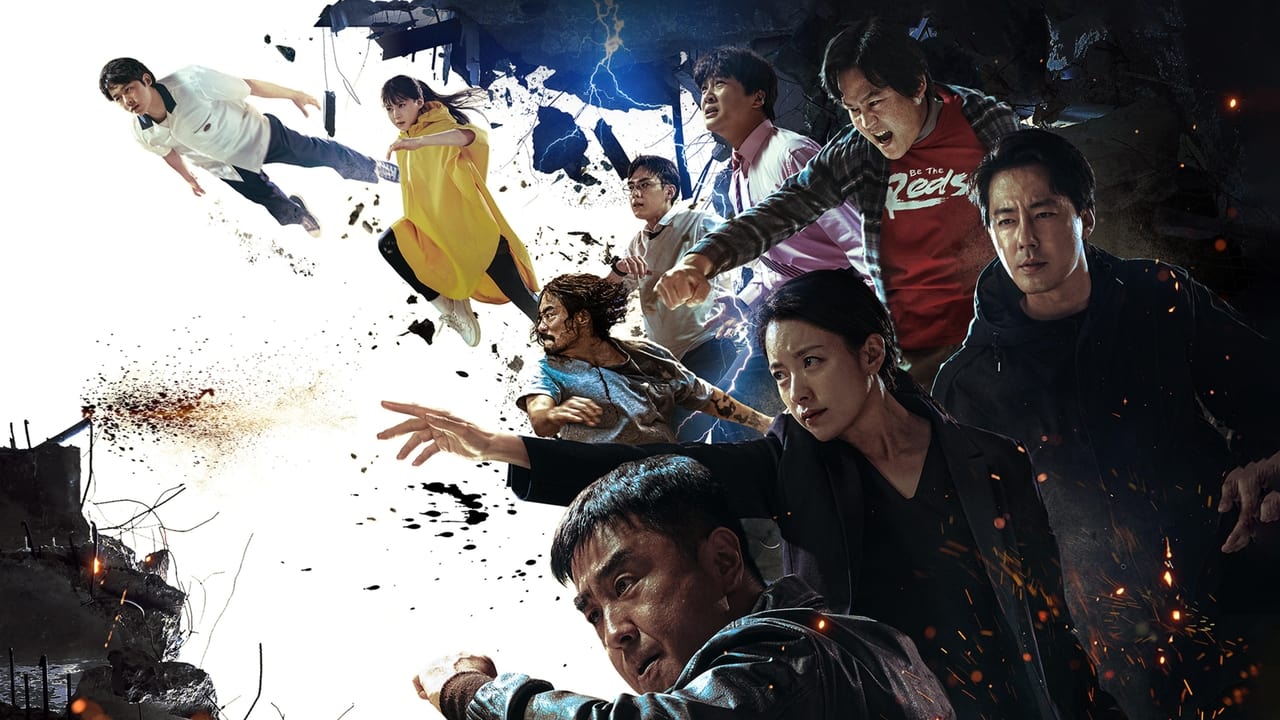
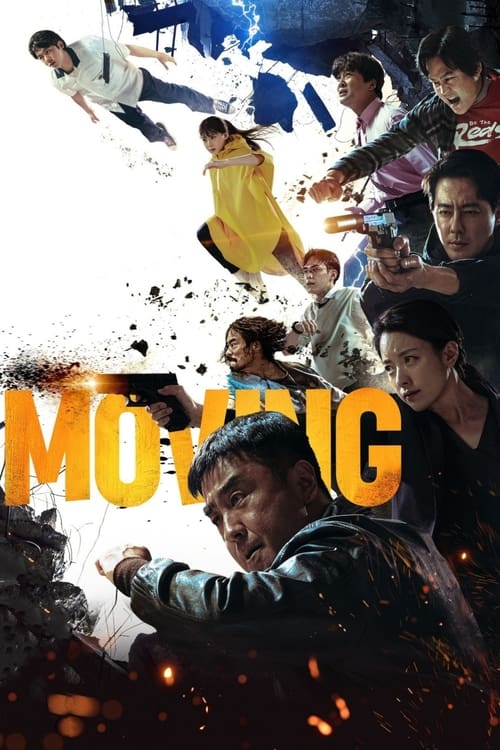
The series follows a family of teens who have grown up with extraordinary powers while being hidden from the world. Their parents, who once served in intelligence agencies, protect them from government operatives who want to weaponise them.
Who are the main characters?
Key figures include the young heroes: Doo‑Shik, Mi‑Hyun, Bong‑Seok, and Hui‑Soo, and their parents: Mi‑Hyun’s mother, the former agent Deok‑Yoon, and Joo‑Won, a former operative now mentor.
What powers do the kids have?
The children possess a range of abilities: flight, enhanced senses, time‑stop, and the ability to channel energy blasts. Each power is unique to the individual and plays a pivotal role in the plot.
Why are government agencies after them?
Both South Korean NIS and North Korean intelligence see the youths as valuable weapons. They want to recruit or eliminate them to gain strategic advantage.
How do the parents protect the kids?
They hide the family in ordinary settings, use covert training, and sometimes involve former allies. Their past experience allows them to anticipate threats and provide tactical support.
What is the setting of the series?
The story takes place in modern Seoul, with flashbacks to the 1990s and 2000s showing the parents’ training and the early days of the family’s secrecy.
How many episodes are there?
‘Moving’ runs for 20 episodes, with a tightly paced storyline that blends present events and past backstories.
Is there a second season?
Fans speculate a second season based on open‑ended cliffhangers and the author’s comments, but no official confirmation has been released yet.
Why is the tone dark?
The show tackles themes of betrayal, political manipulation, and the cost of power. The intense conflict between family and state adds moral complexity and a darker atmosphere.
Does the show contain graphic violence?
Yes, several scenes depict realistic combat, injuries, and occasional gore. The violence is integral to the plot’s stakes.
How does the family dynamic evolve?
Initially, parents keep secrets to protect their children. As the plot unfolds, trust is tested, secrets are revealed, and the family must decide whether to fight or hide.
What role do the parents’ pasts play?
Their experiences in covert ops explain their protective methods and create tension when old enemies reappear, threatening both past and present.
How are the powers explained?
The series suggests a national program that awakens latent abilities, but the exact science remains vague, adding mystery to the origin of powers.
Is the show suitable for younger viewers?
Due to intense action, political tension, and some gore, it is better suited for mature audiences rather than younger viewers.
What is the main conflict in the final episodes?
The final arcs bring together the family, the hidden government agency, and the North Korean operatives in a climactic battle that determines who will control the future.
Does the show explore the ethics of using children as weapons?
Yes, it repeatedly raises questions about manipulation, autonomy, and the moral cost of training children for war.
Who directed the series?
The director is not publicly listed; the production was led by a team under the South Korean network’s standard crew.
What is the runtime of each episode?
Episodes run approximately 70 minutes, a common length for Korean dramas to allow detailed storytelling.
Are there any romantic subplots?
The series hints at budding relationships, especially between Bong‑Seok and Hui‑Soo, but romance is secondary to the main family and political drama.
How does the show balance action and drama?
Action scenes are interspersed with character moments that reveal motivations, ensuring that battles feel meaningful and not just spectacle.
What is the significance of the title ‘Moving’?
It reflects the constant motion of the family—physically, emotionally, and politically—as they navigate danger, secrets, and the need to protect one another.
Is the storyline based on a webtoon?
Yes, the drama adapts the webtoon by Kang Full, preserving the core plot while expanding visual and emotional depth.
Are the government agencies portrayed as purely antagonistic?
While they serve as main antagonists, some agents are portrayed as conflicted, showing that not all officials are monolithic villains.