What was Enrico Fermi's role?
Enrico Fermi was a brilliant scientist who helped figure out how to control nuclear reactions. He also helped with the early stages of building the atomic bomb.
How did they make the atomic bomb?
Scientists used a process called nuclear fission. This is when the center of an atom is split apart, releasing a lot of energy. They used special materials like uranium and plutonium to make this happen.
What was Groves' role in the project?
General Leslie Groves was in charge of the whole Manhattan Project. He managed the people, money, and building of the secret bases needed to create the atomic bomb.
What was Oppenheimer's relationship with Jean Tatlock?
Jean Tatlock was a psychiatrist and poet. J. Robert Oppenheimer had a romantic relationship with her before and during the time he was leading the bomb project.
What was the movie's ending about?
The movie's ending shows Oppenheimer discussing the dangers of nuclear weapons with President Lyndon B. Johnson. It highlights his concerns about the arms race after the war.
What happened at Oppenheimer's security hearing?
Oppenheimer had to go to a hearing to decide if he was trustworthy to have access to secret information. Many people testified against him, and his security clearance was taken away.
Who was Lewis Strauss?
Lewis Strauss was a key figure in the Atomic Energy Commission. He had a strong dislike for Oppenheimer and played a big part in the hearing that cost Oppenheimer his security clearance.
Why did they take away Oppenheimer's security clearance?
His security clearance was removed after a hearing. Reasons given included his past associations with people suspected of being communists and his opposition to building a more powerful bomb called the hydrogen bomb.
Who was General Groves?
General Leslie Groves was the military head of the Manhattan Project, the top-secret effort to build the atomic bomb during World War II.
What was the movie Oppenheimer about?
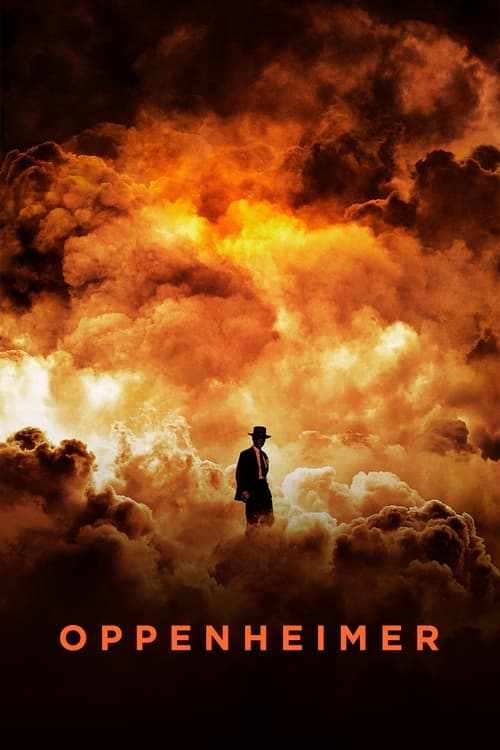
The movie "Oppenheimer" is about the life of J. Robert Oppenheimer, the scientist who led the creation of the atomic bomb during World War II. It also shows the later events in his life.
Who was Kitty Oppenheimer?
Kitty Oppenheimer was J. Robert Oppenheimer's wife. She was a biologist and chemist and supported him through his work and later personal troubles.
What was Strauss's problem with Oppenheimer?
Lewis Strauss seemed to resent Oppenheimer's influence and his views on nuclear weapons. Strauss also felt Oppenheimer had insulted him publicly.
Who was Jean Tatlock?
Jean Tatlock was a psychiatrist and poet who had a personal relationship with J. Robert Oppenheimer. Her past and political leanings were questioned during Oppenheimer's security hearing.
Who was J. Robert Oppenheimer?
J. Robert Oppenheimer was an American theoretical physicist. He is often called the 'father of the atomic bomb' for his leading role in the Manhattan Project.
Did Oppenheimer work on the atomic bomb?
Yes, J. Robert Oppenheimer was the scientific director of the Los Alamos Laboratory during the Manhattan Project. His work was central to developing the first atomic bombs.
What was the Trinity test?
The Trinity test was the first detonation of an atomic bomb. It happened in New Mexico in July 1945, and it proved the bomb worked before it was used in war.
Who were the other scientists working with Oppenheimer?
Many scientists worked with Oppenheimer, including Hans Bethe, Edward Teller, John von Neumann, and Enrico Fermi.
Did Oppenheimer regret making the bomb?
Oppenheimer expressed deep concerns about nuclear weapons and their destructive power after the war. He felt a great moral burden and worried about a future arms race.
Where did they test the atomic bomb?
The first atomic bomb was tested in the desert near Alamogordo, New Mexico. This test was called the Trinity test.
What happened after the atomic bomb was used?
After the bombs were used on Japan, World War II ended. Oppenheimer became a public figure but also faced scrutiny and lost his security clearance later.
What was Leo Szilard's role?
Leo Szilard was a physicist who conceived the nuclear chain reaction and was instrumental in urging the U.S. to develop the atomic bomb, fearing Nazi Germany might get one first.
What was Oppenheimer's relationship with his wife?
J. Robert Oppenheimer was married to Katherine 'Kitty' Oppenheimer. She was supportive of his work and stood by him during difficult times, including his security hearing.
What did Oppenheimer invent?
J. Robert Oppenheimer did not invent a specific device. His major contribution was leading the scientific team that developed the first atomic bombs during the Manhattan Project.
What was the Manhattan Project?
The Manhattan Project was a secret U.S. government research and development undertaking during World War II. Its main goal was to produce the first nuclear weapons.
What happened to Oppenheimer at the end?
At the end of his life, J. Robert Oppenheimer was a respected but controversial figure. He was awarded the Enrico Fermi Award in 1963, but his security clearance was never restored.
Did any real people help make the movie?
Yes, many scientists and people who knew Oppenheimer were involved in making the movie.
What were the ethical questions about the bomb?
The movie shows people wondering if it was right to use such a powerful and deadly weapon.
What did Oppenheimer do after the war?
After the war, Oppenheimer continued to work as a scientist and advisor.
How did the movie show the different time periods?
The movie used different colors, like black and white and color, to show different times.
Did Oppenheimer think the bomb was a good idea?
Oppenheimer had mixed feelings. He was proud of the science but worried about the bomb's power.
How did they get enough plutonium?
The movie shows that building special factories was needed to make enough plutonium.
What was the significance of the different colors in the movie?
Black and white scenes showed the outside view, while color scenes showed Oppenheimer's thoughts and feelings.
How did the movie show Oppenheimer's feelings?
The movie used color and showed his inner thoughts to reveal his feelings.
Who directed the movie Oppenheimer?
Christopher Nolan directed the movie Oppenheimer.
What is plutonium?
Plutonium is a special material used to make atomic bombs.
What awards did the movie win?
The movie Oppenheimer won many awards, including several Oscars.
What was the chain reaction?
A chain reaction is when one atom splitting causes other atoms to split, releasing a lot of energy.
What was the 'Los Alamos' place?
Los Alamos was a secret place in New Mexico where scientists worked to build the atomic bomb.
How was the movie filmed?
The movie was filmed using IMAX cameras to create a big and impressive picture.
What was the music like in the movie?
The music in the movie was intense and helped to build excitement and tension.
How long did it take to make the bomb?
The movie shows the effort and time it took to develop the atomic bomb during World War II.
How did they get the materials for the bomb?
They needed to find and process special materials like uranium and plutonium to build the bomb.
Was Oppenheimer a hero or a villain?
People have different opinions. He was a brilliant scientist who created a powerful weapon, but he also had concerns about its use.
How did they control the bomb's explosion?
The movie focuses on the creation of the bomb, not how they controlled its explosion.
What is uranium?
Uranium is a metal that can be used to create atomic energy and bombs.