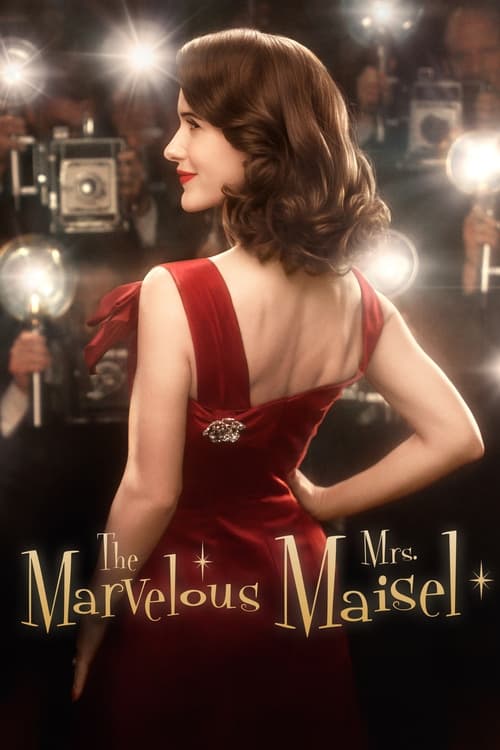
Who is the main character of The Marvelous Mrs. Maisel?
The main character is Miriam "Midge" Maisel, a Jewish‑American housewife turned stand‑up comedian in late 1950s New York. She is known for her quick wit and strong independent spirit.
What is the premise of the series?
The premise centers on Midge’s sudden independence after her husband leaves, prompting her to start performing at the Gaslight Café and eventually pursue a career in stand‑up comedy. The show explores her personal growth and the challenges of breaking into a male‑dominated industry.
How many seasons does the series have?
The series has five completed seasons, released from 2017 through 2023, with the final season concluding the story.
How many episodes are in total?
There are 43 episodes in total across the five seasons, with each season ranging from eight to nine episodes.
When did the show first air?
The first episode premiered on Amazon Prime Video on March 17, 2017, and the final season aired from April to May 2023.
Where is the show set?
The story is set in Manhattan, New York City, primarily in 1958 and the early 1960s, featuring iconic neighborhoods and venues.
Who created The Marvelous Mrs. Maisel?
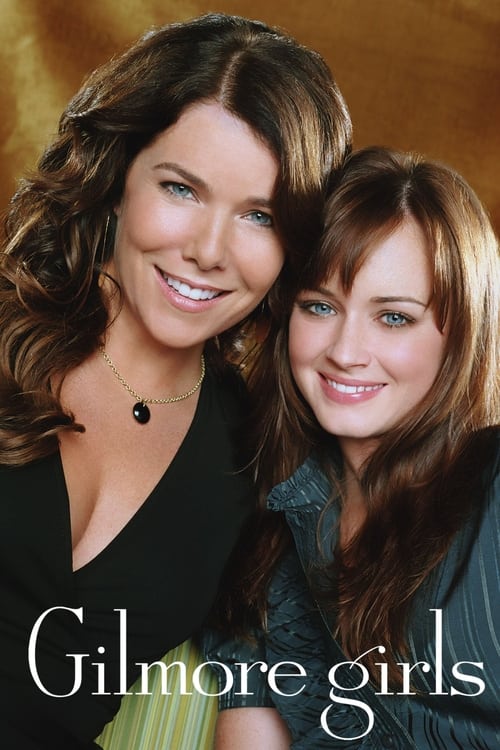
The series was created by Amy Sherman‑Palladino, the writer behind Gilmore Girls, and is produced by Amazon Studios.
Who stars in the show?
Rachel Brosnahan stars as Midge, with Alex Borstein as Susie Myerson, and a supporting cast including Michael Zegen, Marin Hinkle, Tony Shalhoub, and Kevin Pollak.
What is the tone of the series?
The tone blends sharp humor with heartfelt drama, delivering a witty, period‑set comedy that also tackles serious themes like sexism, family, and ambition.
Is it appropriate for children?
The series is rated TV‑MA and contains strong language, adult themes, and occasional violence, so it is not recommended for younger viewers.
Does the show contain mature themes?
Yes, the series explores mature themes such as divorce, gender discrimination, and sexual relationships, often with frank dialogue and realistic portrayals.
Is the language strong or contains profanity?
The show features strong language and occasional profanity, especially during stand‑up performances and candid conversations.
How long are the episodes?
Episode runtimes vary between 45 and 76 minutes, with most falling around an hour.
Does it cover real historical events?
While set in a real time period, the narrative focuses on fictional characters. It references historical cultural movements, but it is not a documentary.
Does it reference real comedians?
The show alludes to real comedians such as Lenny Bruce, but primarily focuses on fictionalized portrayals of stand‑up culture.
Does the series include flash forwards?
Later seasons include flash‑forward scenes that provide glimpses into future decades, adding depth to the storytelling.
Where can I watch The Marvelous Mrs. Maisel?
It is exclusively available on Amazon Prime Video worldwide, with all five seasons included in the subscription.
Has the series won awards?
Yes, it has won multiple Primetime Emmy Awards and Golden Globe Awards, among others, for writing, acting, and production.
What makes the humor unique?
The humor blends rapid, witty dialogue with situational comedy rooted in 1950s social norms, creating a distinct mix of clever wordplay and heartfelt moments.
How does the show portray gender roles?
It portrays gender roles by challenging the expectations of women in the 1950s, showing Midge’s determination to break out of domestic confines.
Does Midge have any children?
Midge is a mother to two children, Ethan and Esther, who are central to her personal story throughout the series.
What is the significance of the Gaslight Café?
The Gaslight Café serves as the launching point for Midge’s comedic career, symbolizing a space where she finds her voice and a community of performers.
Is there a final season?
Yes, the fifth season concludes the series, wrapping up Midge’s journey and the arcs of her key supporting characters.
What musical elements are present?
The series incorporates period music, live performances, and soundtracks that reflect the 1950s and 1960s New York music scene, enhancing authenticity.