集
E1Everybody Hates The Pilot2005年9月22日21mE2Everybody Hates Keisha2005年9月29日21mE3Everybody Hates Basketball2005年10月6日21mE4Everybody Hates Sausage2005年10月13日21mE5Everybody Hates Fat Mike2005年10月20日21mE6Everybody Hates Halloween2005年10月27日20mE7Everybody Hates the Babysitter2005年11月3日21mE8Everybody Hates the Laundromat2005年11月10日21mE9Everybody Hates Food Stamps2005年11月17日21mE10Everybody Hates Greg2005年11月24日20mE11Everybody Hates Christmas2005年12月15日20mE12Everybody Hates a Part-Time Job2006年1月19日21mE13Everybody Hates Picture Day2006年2月2日21mE14Everybody Hates Valentine's Day2006年2月9日20mE15Everybody Hates the Lottery2006年2月16日21mE16Everybody Hates the Gout2006年3月2日21mE17Everybody Hates Funerals2006年3月23日21mE18Everybody Hates Corleone2006年4月13日21mE19Everybody Hates Drew2006年4月20日21mE20Everybody Hates Playboy2006年4月27日21mE21Everybody Hates Jail2006年5月4日19mE22Everybody Hates Father's Day2006年5月11日19m








Playback issues? Try another server.

20058
喜剧
上映
2005年9月22日
国家
美国
Creators
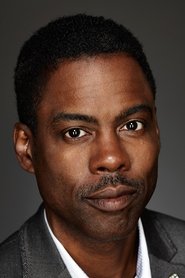
Chris RockAli LeRoi
制作
Chris Rock Entertainment3 Arts EntertainmentParamount TelevisionCBS Studios
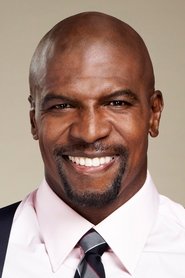
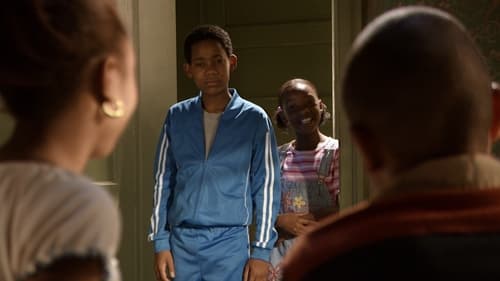
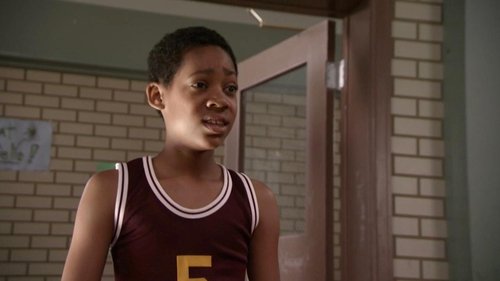
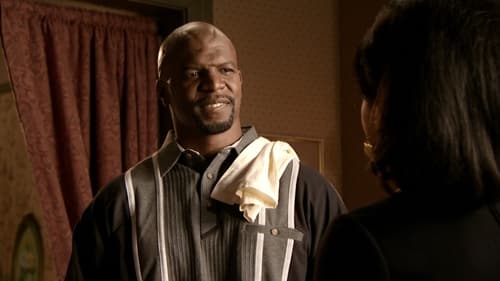
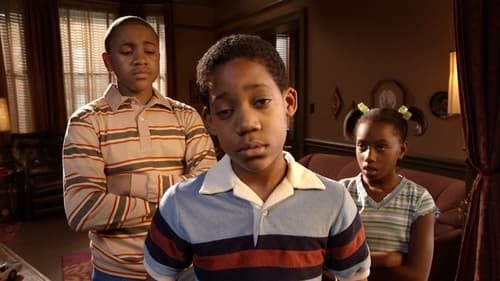
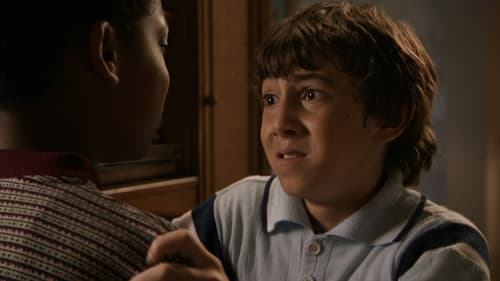
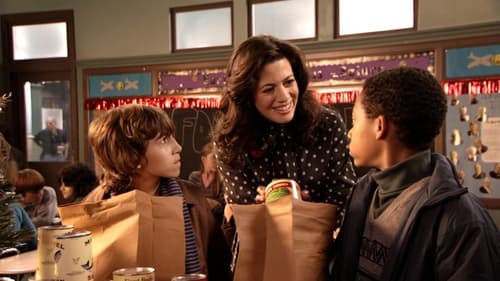
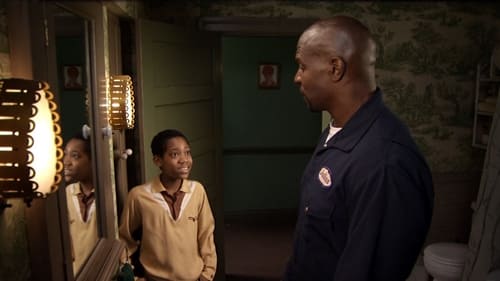
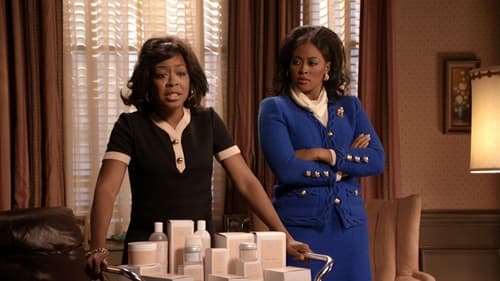
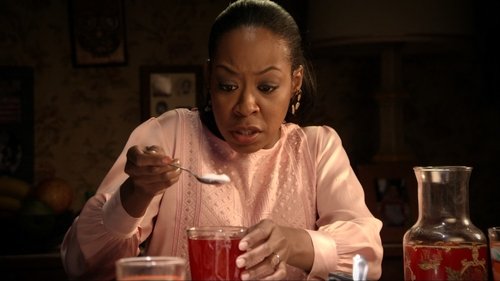
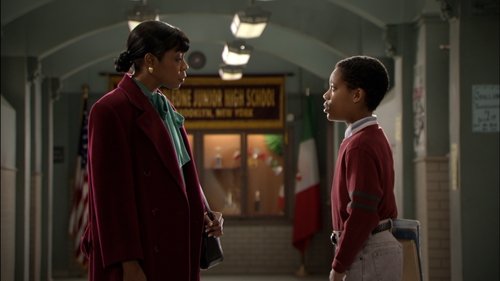
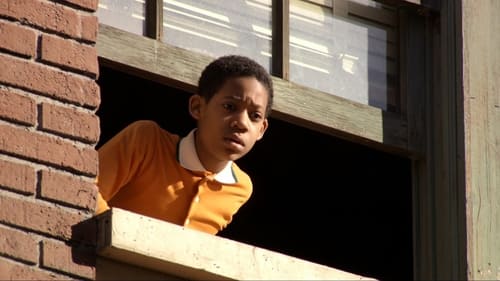
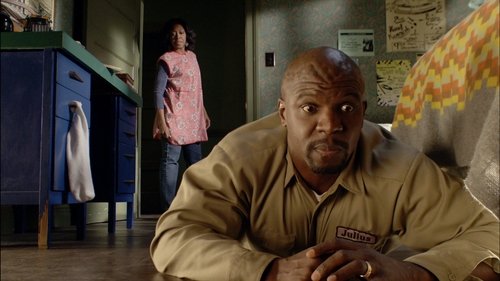
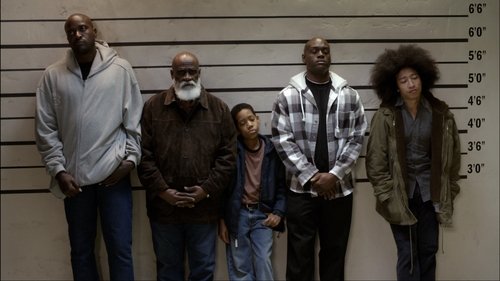
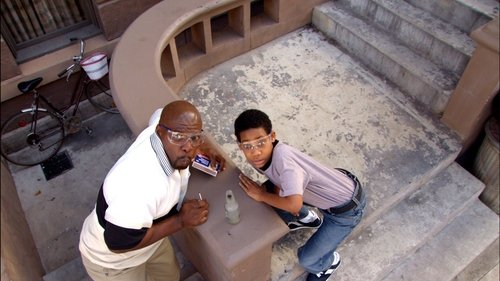
13岁的黑人小孩克里斯(泰勒·詹姆斯·威廉姆 Tyler James Williams 饰)生活在纽约布鲁克林区,家中有做好几份低等工拼命养家、极度抠门的老爸朱利叶斯(泰瑞·克鲁斯 Terry Crews 饰),有虚荣、能干的大嗓门老妈罗谢尔(蒂琪娜·阿诺 Tichin a Arnold 饰),还有一对麻烦的弟妹德鲁(特昆·里奇蒙德 Tequan Richmond 饰)和唐娅(Imani Hakim 饰)。到了上学年龄,克里斯被严格的老妈送入白人学校,不出所料受尽欺侮,但也有幸交到一个好朋友——因瘦弱苍白同样要做受气包的格雷戈(文森特·马特拉 Vincent Martella 饰),每天从家里到学校同样吵闹和无奈,克里斯始终用一种无所谓的自嘲精神面对这一切……
相似
18 部
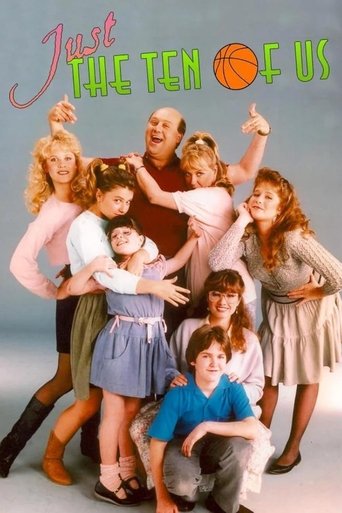
Just the Ten of Us
7.11988剧集

Open All Hours
7.91976剧集
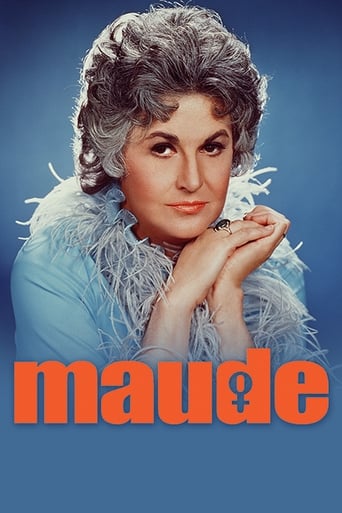
Maude
6.91972剧集

南方公园
8.31997剧集
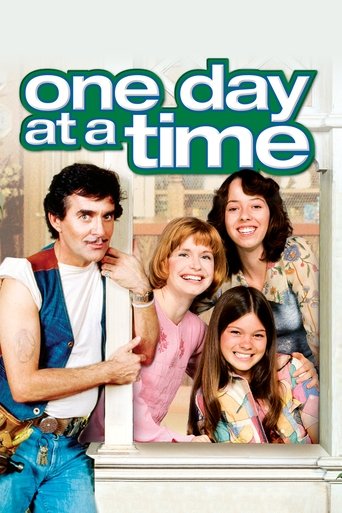
One Day at a Time
6.81975剧集

弗尔蒂旅馆
8.31975剧集
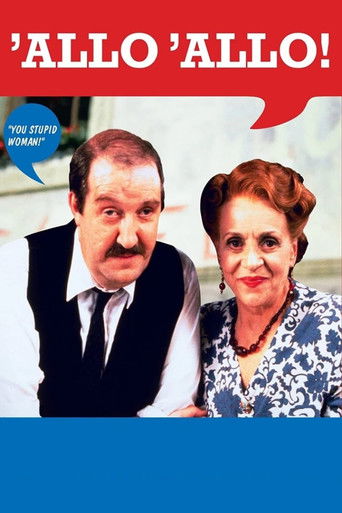
法国小馆儿
7.81984剧集
Running the Halls
8.01993剧集
Butterflies
7.21978剧集
計程車
7.31978剧集
家庭战争
6.92005剧集
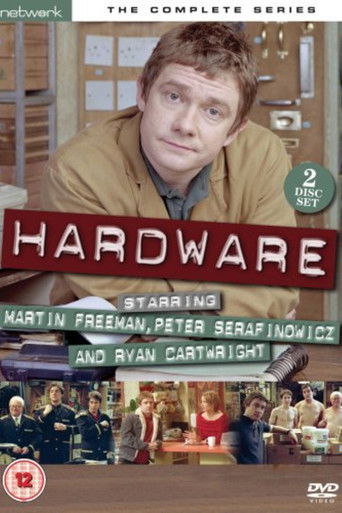
Hardware
4.82003剧集
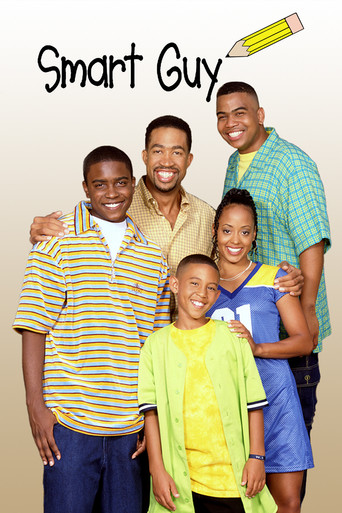
天才小子
7.91997剧集
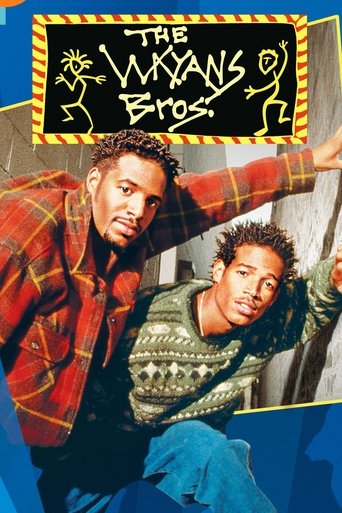
韦恩斯兄弟
7.21995剧集
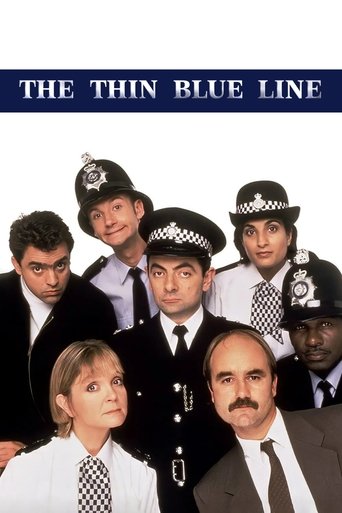
憨豆警局
7.21995剧集
The Jamie Foxx Show
6.71996剧集
愚人善事
7.62005剧集
Supernova
6.82005剧集