
播放器伺服器
神劍闖江湖

神劍闖江湖

19969
动画喜剧动作冒险
上映
1996年1月10日
國家
日本
製作
Studio DeenGallopFuji Television NetworkSPE Visual WorksSME Visual Works
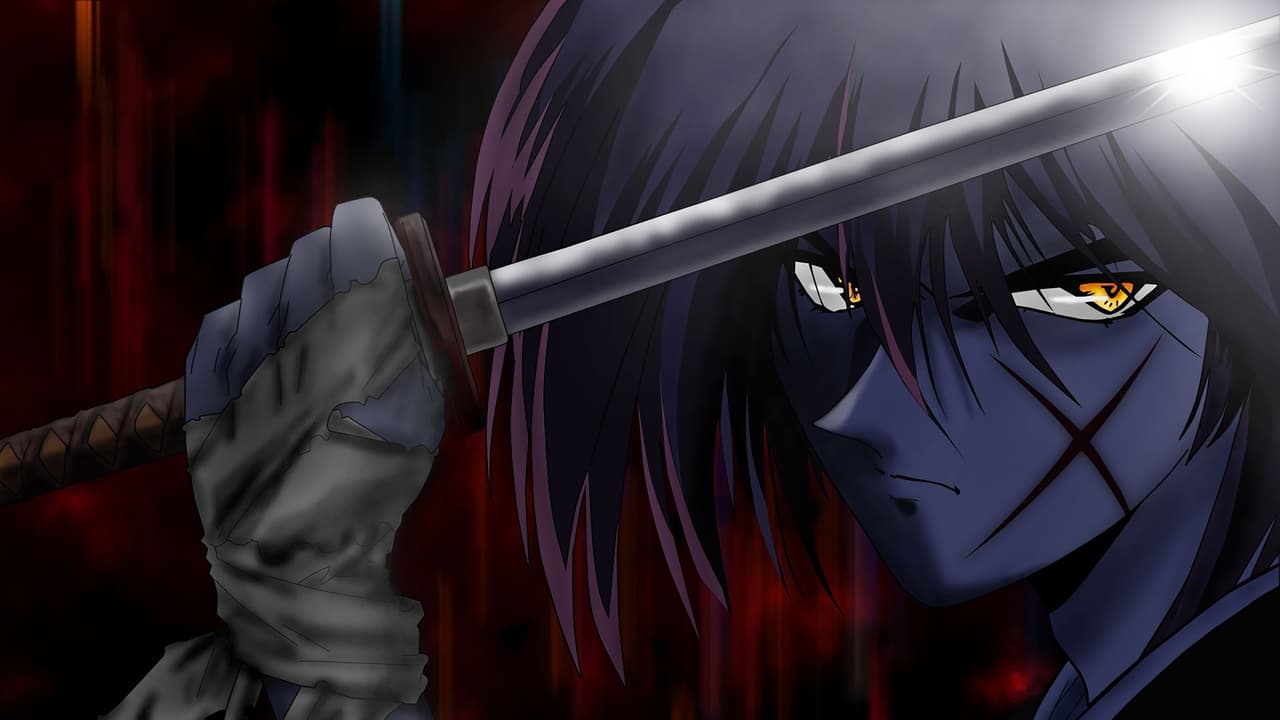
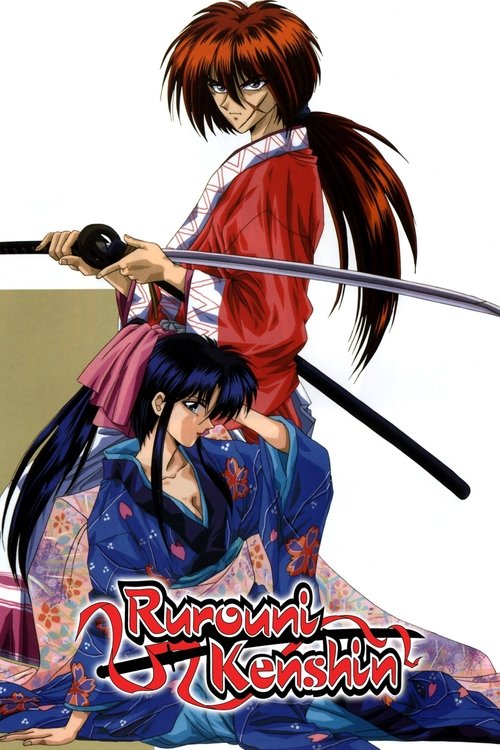
主角緋村劍心流浪至東京,因為神谷薰的挽留而留在東京。其後認識了明神彌彥、相樂左之助及高荷惠等人,又與前幕府殺手鵜堂刃衛、御庭番眾首領四乃森蒼紫決鬥,其間劍心經歷了多次戰鬥,令劍心自覺慢慢變回昔日的劊子手拔刀齋(千人斬拔刀齋)(人斬り抜刀斎)。最後在與幕末時代的對手前新撰組第三小隊組長齋藤一決戰及得知志志雄一黨的陰謀後,獨自前往京都與志志雄一黨對決。

About

Rurouni Kenshin is a 1996 anime set in Meiji Japan, following former assassin Kenshin Himura as he seeks redemption while facing old enemies.

Rurouni Kenshin tells the story of Kenshin Himura, a wandering swordsman once famed as the brutal Hitokiri Battōsai during the Bakumatsu era. After the Meiji Restoration outlawed swords and combat, Kenshin vows never to kill again and carries a reverse‑bladed katana as a reminder of his promise. The series follows his encounters in Tokyo, where he meets the spirited dojo master Kaoru and the street orphan Yahiko, forming a tight‑knit group. Together they confront lingering threats from former warriors, including the ambitious Shishio Makoto. The anime blends action, drama, and historical context, exploring themes of redemption, honor, and Japan’s transition to modernity.

What to know

  • Series runs 95 episodes, airing 1996‑1998.
  • Adaptation covers manga up to Shishio arc; later episodes contain original filler.
  • Kenshin uses a reverse‑bladed sword symbolizing his vow to not kill.
  • Main antagonists include Shishio Makoto, an anti‑hero seeking to restore swords.
  • Romantic tension between Kenshin and Kaoru develops over time.
  • Some episodes contain graphic violence and mild gore.
  • The show features a strong musical score by Noriyuki Asakura.
  • Original English dub titled Samurai X, aired on Toonami in 2003.

Watch if

If you enjoy grounded action, moral dilemmas, and historical drama with deep characters, this series offers engaging sword fights and emotional depth set against Japan’s rapid modernization.

Skip if

If you’re sensitive to graphic violence, complex political commentary, or prefer lighthearted fantasy, the series’ realistic sword battles, some gore, and mature themes may not be to your taste.

intense actionwar themesmature themesromance elementspsychological elementsdark tonesome goreslow burninvestigation heavypolitical themes
Historical Context of Meiji
The series opens in the early Meiji era, a period of rapid westernization and political upheaval in Japan. The government has abolished the samurai class, outlawed swords, and the country is grappling with its new identity. Kenshin’s presence reflects the lingering violence and the struggle to reconcile past and present.
Kenshin's Journey to Peace
Kenshin Himura, once known as the ruthless Hitokiri Battōsai, now carries a reverse‑blade, symbolizing his vow to never kill again. His mission is to atone for the thousands of lives he took and to protect the innocent from the new threats that arise as Japan modernizes. His journey is both physical and internal.
Key Characters and Roles
Kaoru, a determined dojo master, offers Kenshin a place of refuge and trains him in swordsmanship and compassion. Yahiko, a street orphan, idolizes Kenshin and becomes a disciple, learning both skill and humility. Sanosuke, a former Shinsengumi member, joins the group, providing muscle and a shared sense of loyalty.
Major Story Arcs
The series follows several key arcs, starting with the Tokyo introduction, followed by the Kyoto confrontation against Shishio Makoto, and concluding with the final battle that tests Kenshin’s resolve. Original storylines fill gaps not covered by the manga, providing unique character development and thematic depth.
Themes and Motifs
Redemption, honor, and the weight of past sins dominate the narrative. Kenshin’s reverse‑blade represents a break from violence, while the recurring motif of the scarred arm reminds viewers of the lingering trauma of war. The series also explores the clash between tradition and modernization, and the bonds forged in shared hardship.
Anime vs Manga
The 1996 anime adapts the manga up to the Shishio arc but introduces original filler content thereafter. Some storylines diverge to accommodate broadcast schedules, resulting in slightly different character arcs. Fans of the manga may notice variations in pacing and emotional beats, but core themes remain intact.
Cultural Impact and Legacy
Rurouni Kenshin became a staple of late‑90s anime, influencing subsequent samurai‑themed series and maintaining a dedicated fanbase. Its blend of historical setting, philosophical questions, and dynamic action has earned it critical acclaim, inspiring manga spin‑offs, OVAs, films, and a 2023 anime reboot that re‑examines the original story.

FAQ

What is Rurouni Kenshin about?
It follows Kenshin Himura, a former assassin who vows not to kill and wanders Japan, helping people while confronting his violent past.
How many episodes does the 1996 anime have?
The series consists of 95 episodes, originally broadcast between 1996 and 1998.
Does the anime cover the entire manga?
It adapts the manga up to the Shishio arc; later episodes contain original filler not present in the source material.
Who is the main antagonist in the Kyoto arc?
Shishio Makoto, a former imperial officer seeking to restore a sword‑based order, serves as the primary foe during that storyline.
Why does Kenshin carry a reverse‑bladed sword?
The reversed blade is a symbol of his vow to never kill again, reminding him that his sword is meant for protection, not destruction.
Are there any romantic subplots?
Yes, a growing relationship between Kenshin and Kaoru provides emotional depth and a contrasting light to the series’ darker themes.
Is the 1996 anime available on streaming services?
The original series has been released on DVD and Blu‑ray; some streaming platforms offer it with subtitles, but availability varies by region.
Who composed the music for the series?
Noriyuki Asakura created the soundtrack, delivering a blend of traditional Japanese instruments and modern orchestration.
What is the meaning of the title “Rurouni”?
“Rurouni” translates to “wanderer” or “vagabond,” reflecting Kenshin’s nomadic lifestyle.
How does the show portray the Meiji Restoration?
It depicts the era’s rapid modernization, political reforms, and the decline of the samurai class, providing historical context for Kenshin’s journey.
What themes are explored in Rurouni Kenshin?
Themes such as redemption, honor, the cost of violence, and the clash between tradition and progress are central to the narrative.
Does the series contain graphic violence?
The anime features realistic sword battles and some gore, but it focuses more on emotional stakes than gratuitous brutality.
How is the character Yahiko portrayed?
Yahiko starts as a street orphan who idolizes Kenshin, gradually becoming a disciplined student and loyal ally.
Are the OVAs necessary to understand the plot?
The OVAs expand on side stories and offer additional context, but they are not required to follow the main storyline.
Why was the anime dubbed “Samurai X” in the U.S.?
The English title “Samurai X” was chosen to appeal to Western audiences and to align with the popular “Samurai” branding.
What is the significance of Kenshin’s scar?
The scar on his left arm marks the wound from his first duel, serving as a reminder of his past deeds and his vow to change.
How does the series balance action and character development?
While featuring dynamic fight scenes, the show consistently delves into character backstories, motivations, and growth.
Is the 2023 adaptation similar to the 1996 anime?
The 2023 series follows a similar plot but with updated animation, pacing, and some new storytelling choices to appeal to contemporary viewers.
What is the relationship between Kenshin and Sanosuke?
Sanosuke, a former Shinsengumi member, partners with Kenshin, providing muscle and shared loyalty, and their camaraderie develops throughout the series.
How does the anime handle moral ambiguity?
The show presents characters with complex motivations, challenging viewers to empathize with both heroes and villains, and highlighting the gray areas of justice.

演員